Daily Technology
·17/03/2026



The era of personal computing is moving beyond the smartphone screen. A new generation of artificial intelligence devices is emerging, designed not as tools to be held, but as accessories to be worn. These devices aim to seamlessly integrate into our daily lives, offering ambient intelligence and context-aware assistance. This shift signals a move towards more passive and integrated technology experiences.
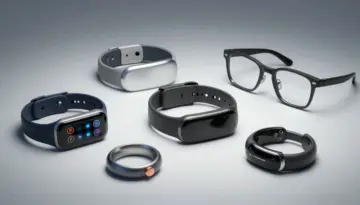
A primary trend in AI wearables is their discreet design. Technology is being miniaturized and embedded into familiar objects, making it nearly indistinguishable from standard accessories. This approach lowers the barrier to adoption, allowing powerful sensors and processors to be worn without drawing unwanted attention. The goal is to make technology a natural extension of the user, always available but never in the way.
For instance, the Oura Ring packs sophisticated health sensors for sleep and activity tracking into a simple finger ring, providing users with a daily sleep score. Similarly, Meta's latest Ray-Ban smart glasses incorporate a camera, five microphones, and speakers into a stylish frame that most would mistake for a regular pair of specs, all while offering AI-powered features.
Another significant development is the rise of devices that act as personal scribes. These wearables use microphones to capture conversations, meetings, and personal notes, then leverage AI to provide transcriptions and summaries. This "always-on" or easily activated listening capability enhances productivity by automating the tedious task of note-taking and creating a searchable log of verbal interactions.
Products like Amazon's Bee bracelet and the Omi pendant exemplify this trend. The Bee bracelet, which resembles a fitness tracker, can be activated to record and summarize conversations. The Omi pendant offers similar functionality in a necklace form factor, constantly listening (unless powered off) to capture the user's day for later review.
AI wearables are beginning to see and understand the world alongside us. By integrating cameras with powerful AI models, devices can identify objects, translate text, and provide real-time information about a user's surroundings. This capability transforms glasses from a simple vision aid into an interactive lens on the world, bridging the gap between digital information and physical reality.
The Meta Ray-Ban smart glasses demonstrate this with features that allow a user to ask the AI about what they are seeing. A practical example is looking at a meal and asking for a calorie estimate, which the device provides after taking a quick, hands-free photo through the glasses' built-in 12-megapixel camera.
These trends point toward a future of ambient computing, where technology is less about active interaction and more about passive assistance. While the current market shows some functional overlap between devices and is still maturing, the direction is clear. AI wearables are evolving from single-purpose gadgets into multifaceted companions that augment our daily reality in subtle yet powerful ways.