Daily Technology
·02/03/2026



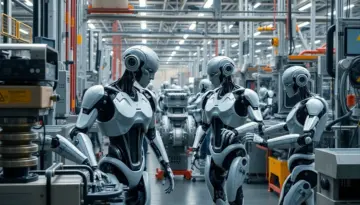
The concept of humanoid robots is rapidly moving from science fiction to the factory floor. As technology evolves, these advanced machines are poised to become a critical component of the next wave in manufacturing, promising greater flexibility and efficiency. A recent move by industrial giant Schaeffler to establish a humanoid robotics venture in China highlights several key trends driving this transformation.
A significant shift is underway as companies begin to deploy humanoid robots directly within their own manufacturing processes. Unlike stationary robotic arms designed for a single repetitive task, humanoid robots offer the potential for more dynamic and versatile roles, working in spaces designed for humans and handling a wider variety of tasks. This represents a move toward a more adaptable and intelligent form of automation.
German automotive and industrial supplier Schaeffler is pioneering this approach with its new venture in Taicang. The company plans to use its own humanoid robots, equipped with advanced sensing and actuation, within its smart factory systems. This allows for real-world testing and refinement, accelerating the integration of these robots into complex production environments.
The development of sophisticated robotics is no longer just a hardware challenge; it is a data- and algorithm-intensive endeavor. Consequently, leading companies are building fully integrated ecosystems that cover the entire lifecycle, from research and development to manufacturing, data collection, and AI training. This holistic approach shortens iteration cycles and fosters rapid innovation.
Schaeffler’s new facility exemplifies this trend. It will house an intelligent R&D center, digitally-enabled production lines, a computing power hub, and dedicated data training facilities all under one roof. This structure enables a powerful feedback loop where data from robot operations is used to continuously improve their performance and capabilities.
The true potential of modern robotics is being unlocked by the convergence of several key technologies. Large AI models provide the intelligence for complex decision-making, 5G connectivity ensures low-latency communication for real-time control, and digital twin platforms allow for simulation and testing in a virtual environment before physical deployment.
This technological trio is central to the strategy for next-generation robotics. By combining these elements, companies can develop, test, and deploy robots faster and more safely. Schaeffler's plan explicitly involves leveraging this combination to advance R&D and manufacturing in parallel, creating a seamless flow between the digital and physical worlds to accelerate progress in the field.