Daily Car
·31/12/2025



2025 produced a wide variety of new car launches in the automotive sector. Automakers introduced everything from budget-friendly electric vehicles (EVs) to high-powered supercars. Chevrolet, Toyota, Cadillac, Nissan, and many others released important new models, each targeting different consumer needs. This review provides an objective analysis of key vehicles released in 2025, focusing on their technical parameters, design elements, real-world usability, and positioning in the current market.
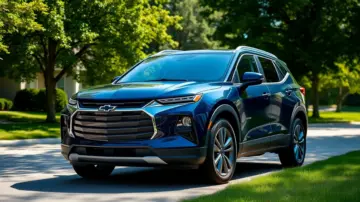
Several models stood out due to their advanced specifications and innovative technology. Chevrolet revived the Bolt, now the 2027 Bolt, as a compact, affordable EV aimed at broadening electric mobility. The Corvette ZR1X, also from Chevrolet, features a remarkable 1,250 horsepower, establishing it among the highest-performing production vehicles. Cadillac launched three electric models—the Escalade IQL, Optiq-V, and Lyriq-V—focusing on luxury, range, and digital integration.
Toyota expanded its range with the RAV4, GR GT, and Land Cruiser FJ, while Nissan improved the Sentra and introduced a crossover version of the Leaf. Technical improvements include enhanced battery technology in EVs and increased horsepower in conventionally powered models. Such changes indicate ongoing advancements in reliability and performance.
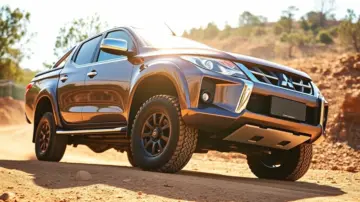
The Chevrolet Bolt continues to set a standard in practical EV motoring with its compact size, efficient motors, and user-friendly interior. The ZR1X blends extreme power with aerodynamic refinement suitable for performance enthusiasts. Toyota’s RAV4 and Land Cruiser FJ place emphasis on utility, off-road readiness, and hybrid options, which caters to drivers seeking a balance between everyday comfort and adventure capabilities.
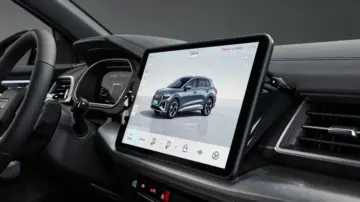
In terms of design, many new models adopted more aerodynamic shapes, LED lighting systems, and digital control interfaces. This trend enhances fuel efficiency, safety, and user experience. The Cadillac electric lineup presents spacious interiors combined with augmented reality dashboards, aligning with consumer expectations for high-tech luxury vehicles.
The 2025 market witnessed a shift toward diversification. While electric vehicles remain a growth segment, manufacturers such as Stellantis revived V8 engines, as in the 2026 Ram 1500 Hemi, demonstrating continued demand for performance-focused internal combustion models. Toyota and Subaru’s badge-engineered EVs respond to consumer calls for variety and affordability in the electric segment.
Major competitors in each category include Tesla Model 3 and Ford Mustang Mach-E for affordable EVs, and Porsche 911 Turbo and BMW M2 CS for high-performance sports cars. Luxury SUVs from Mercedes and BMW continue to compete with Cadillac’s latest models. Market positioning reflects a balance between embracing new propulsion technologies and maintaining options for traditional preferences.
Advancements such as improved battery range mean EVs can travel further between charges. Horsepower, a measure of engine strength, continues to climb in performance models, resulting in faster acceleration. Digital interfaces, like augmented dashboards, combine traditional controls with computer-generated displays for more accessible vehicle information. Badge-engineering means similar cars are sold under different brand names, allowing manufacturers to offer more choices while reducing development costs.
The automotive landscape in 2025 demonstrates significant innovation and a wide choice of vehicles catering to varying consumer preferences. Manufacturers are blending new technologies with proven engineering, making vehicles more efficient, comfortable, and accessible than ever before.