Daily Car
·23/01/2026



A popular modern electric crossover targets drivers seeking advanced technology and comfortable daily commuting. This model features a midsize body with a length of approximately 4.7 meters, a width around 1.9 meters, and a wheelbase close to 2.8 meters, supporting spacious five-passenger seating. It is powered by a single or dual-motor electric drive system, with power outputs ranging from 150 kW to 300 kW. The battery options generally offer capacities between 60 kWh and 80 kWh, supporting driving ranges from 350 to 500 kilometers under the WLTP standard.
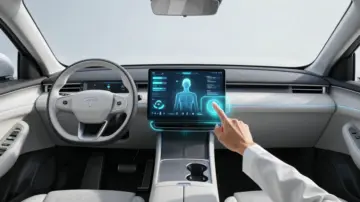
Key technical features of the crossover include a dedicated electric vehicle platform, which allows for a flat floor and increased cabin space. The model adopts an independent suspension on all four wheels and incorporates regenerative braking technology to enhance energy recovery while stopping. Important safety technologies include adaptive cruise control, lane-keeping assistance, and automatic emergency braking. Advanced entertainment options, such as a large touchscreen interface, allow for seamless navigation and smartphone integration.
Acceleration for the dual-motor variant is around 0-100 km/h in under 6 seconds, suitable for urban and highway driving. With instantaneous torque from the electric motors, throttle response is direct and predictable. The regenerative braking offers adjustable levels, allowing drivers to choose lighter or stronger deceleration without touching the brake pedal—a feature referred to as one-pedal driving. This technology increases efficiency by converting some braking energy back into stored battery power. Practicality is enhanced by a split-folding rear seat design, increasing cargo space flexibility for large items.
This crossover competes directly with similar all-electric SUVs in the mid-level price segment, such as the Ford Mustang Mach-E and Volkswagen ID.4. Compared to gasoline-powered models, it offers lower operating costs and simpler routine maintenance, reflecting the broader industry shift toward electrification. Advanced driver assistance systems and improvements in battery technology continue to set new standards for safety and efficiency.
This segment is experiencing rapid growth as more consumers shift toward electric vehicles. Manufacturers are focusing on extending range, improving battery lifespans, and integrating the latest driving aids. As national policies encourage the adoption of clean energy vehicles, models in this category are becoming more accessible for everyday drivers. Continuous developments in hardware and software are expected to further enhance efficiency, safety, and user experience in future vehicles.