Daily Car
·23/04/2026



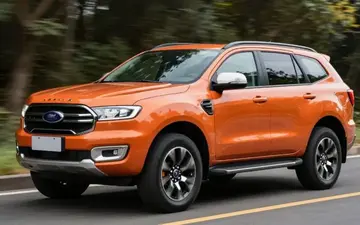
The Ford Everest Wildtrak is a limited-edition, three-row SUV built on the same frame as the Ford Ranger pickup truck. For the 2026 model year, Ford is releasing a limited run of 1,000 units in Australia. This version is positioned as a rugged vehicle that also includes a number of premium comfort and technology features, blending off-road style with on-road refinement.
The Everest Wildtrak is equipped with a 3.0-liter V6 turbodiesel engine. A turbodiesel engine uses a turbine, spun by the engine's exhaust, to force more air into the cylinders. This process increases power and torque without needing a larger engine. This specific V6 produces 247 horsepower and 600 Nm of torque. Power is delivered through a 10-speed automatic transmission to a permanent four-wheel-drive system, ensuring traction across various conditions.
The Wildtrak model is distinguished by its exclusive "Ignite Orange" paint option, complemented by gloss black exterior accents and 20-inch alloy wheels. For those planning more rugged use, a set of 18-inch wheels with all-terrain tires is available as a no-cost option. The interior features leather seats with unique orange stitching and Wildtrak branding. It also inherits several high-end features from the flagship Platinum trim, including advanced Matrix LED headlights, a panoramic sunroof, and power-folding third-row seats.
The Wildtrak is priced identically to the Everest Tremor model. However, their focus differs. The Tremor is equipped with a specialized suspension for enhanced off-road performance. The Wildtrak, in contrast, prioritizes premium features and styling. It serves as a bridge between the mid-range models and the top-tier Platinum trim, which remains the most expensive and feature-rich model in the Everest family.
Ford has determined that the Everest does not fit its current North American product strategy. The company already offers the Explorer as its primary three-row family SUV and the Bronco for the dedicated off-road market. Bringing the Everest to the U.S. would involve significant costs to certify it for local emissions and safety regulations. Furthermore, import taxes, or tariffs, would make it difficult to price the vehicle competitively against established rivals like the Toyota 4Runner.