Daily Technology
·01/04/2026



While Tesla cemented its name with electric vehicles, its founder, Elon Musk, is now steering the company toward a new, potentially more disruptive frontier: humanoid robots. This pivot is not unique to Tesla; it signals a broader trend among technology leaders, including Amazon's Jeff Bezos, to harness artificial intelligence to automate manual labor on an unprecedented scale. This shift from specialized products to general-purpose robotics could reshape industries and the very nature of work.
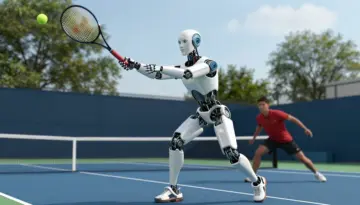
The current wave of automation is moving beyond the single-task, caged robots common in manufacturing today. The new goal is to create versatile, AI-driven humanoid robots capable of performing a wide array of physical tasks. These machines are being designed to navigate complex, human-centric environments and handle jobs that have so far been resistant to automation. The importance of this trend lies in its potential to create a flexible, scalable robotic workforce that can be deployed across various sectors, from logistics and manufacturing to retail and beyond.
A prime example of this ambition is Tesla's "Optimus" project. Elon Musk has stated he believes the humanoid robot will eventually become the company's most significant product, surpassing its automotive business. This highlights the immense resources and strategic importance being placed on this technology. While still in development, Optimus represents a concrete effort to build a robot that can take over repetitive and dangerous manual labor, fundamentally altering the operational calculus for businesses.
The drive to replace human labor with robots introduces profound economic and social questions. The primary business incentive is clear: a workforce of robots that operates 24/7 without paychecks, breaks, or benefits promises unparalleled efficiency and productivity. This could dramatically lower production costs and reshape global supply chains.
However, this technological pursuit is met with significant societal concerns. The prospect of mass layoffs in manufacturing and other manual labor sectors has drawn scrutiny from public figures and policymakers, such as Senator Bernie Sanders, who have raised alarms about the impact on workers. In contrast, proponents like Musk envision a radically different outcome, forecasting a future of "universal high income" and an "amazing abundance" of goods and services where human labor is no longer a necessity. This starkly divided outlook underscores that the development of humanoid robots is as much a social and economic challenge as it is a technical one.