Daily Technology
·28/02/2026



Humanoid robots are capturing the public imagination, fueled by viral videos of them performing complex tasks with surprising agility. As artificial intelligence evolves, these machines are moving from research labs toward commercial reality. However, behind the impressive demonstrations lies a complex landscape of technological hurdles, ethical dilemmas, and practical safety concerns that will define their integration into our lives.
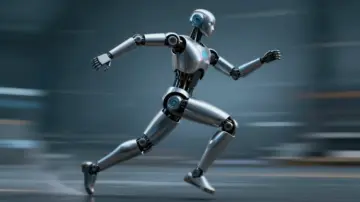
Recent displays have shown a dramatic leap in the physical abilities of humanoid robots. Where they once stumbled, they now perform fluid, synchronized movements. This rapid progress indicates that the hardware and basic motor control are maturing quickly, making more complex applications conceivable sooner than many expected. A key example comes from Chinese robotics company Unitree, which showcased its humanoids performing complex martial arts routines, a stark contrast to footage from less than a year earlier showing similar robots struggling with basic locomotion.
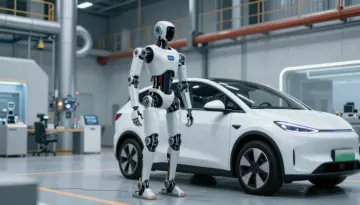
While pre-scripted demos are impressive, a significant gap remains between controlled performance and reliable operation in unpredictable, real-world settings. Experts warn that current AI systems lack the long-term reasoning required to handle unexpected interactions safely, posing risks to people around them. Robotics company Humanoid acknowledges this challenge, stating that its robots will be trialed and refined in structured factory environments to collect data and ensure reliability before being considered for more complex spaces like homes.
The AI models that serve as the brains for humanoids can inherit and amplify human biases. Research has shown that these systems can generate discriminatory or harmful responses based on race, gender, or religion, raising serious ethical concerns for robots designed to interact with diverse populations. Dr. Masoumeh Mansouri of the University of Birmingham points to studies where large language models (LLMs) intended for robots risk "enacting discrimination, violence, and unlawful actions," a critical issue for developers to address.
As mobile, sensor-equipped platforms, humanoids introduce new and complex privacy challenges. Their ability to move through and record data in private spaces like homes and offices could lead to significant misuse if not governed by strict privacy controls and public trust. Researchers have observed LLMs, which could be used in humanoids, approving unethical requests, such as taking non-consensual photographs, highlighting the potential for severe privacy violations as these robots gain wider access to our lives.
Despite the challenges, the industry is moving forward. Many companies are already running pilot programs in warehouses, logistics centers, and manufacturing. The consensus is that humanoids will first augment human labor in repetitive, monotonous, or hazardous work. While the vision of a robot in every home is still some years away, the first steps are being taken in industrial settings, which serve as crucial testing grounds for safety and capability before wider public deployment.