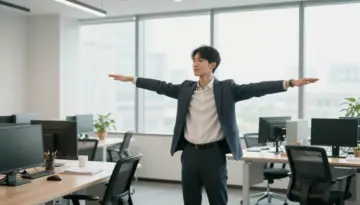
As we age, a natural decline in mobility, flexibility, and balance is common. Muscle mass can decrease, and connective tissues may lose elasticity, leading to stiffness. For adults over 50, this often raises concerns about maintaining stability and independence. Two key approaches to combat this are functional strength training and targeted stretching. Understanding the unique benefits of each is crucial for building an effective routine.
The Case for Functional Strength Training
Functional strength training involves exercises that mimic everyday movements, like getting up from a chair or carrying groceries. The primary goal is to build and maintain muscle mass, which is essential for supporting your joints and improving balance.
- Mechanism of Action: These exercises strengthen the major muscle groups in your legs, hips, and core. This provides a stable foundation for movement, directly translating to better control in daily activities.
- Evidence: The effectiveness of these movements is well-documented. For instance, the sit-to-stand test is a standard clinical measure of lower body strength and an indicator of long-term independence. Furthermore, randomized controlled trials have shown that balance exercises, such as the single-leg stand, significantly reduce the risk of falls in older adults.
- Ideal Use Cases: This approach is fundamental for anyone looking to preserve their ability to perform daily tasks safely and confidently. Practical examples include sit-to-stands, single-leg stands, and heel-to-toe walks.
The Power of Targeted Stretching
Targeted stretching focuses on increasing flexibility and improving the range of motion in your joints. It works by gently lengthening muscles and releasing tension.
- Mechanism of Action: Regular stretching helps counteract the natural stiffening of muscles and connective tissues. This improves circulation to the joints and can alleviate discomfort associated with conditions like arthritis or general inactivity.
- Evidence: Physical therapists and orthopedic specialists consistently recommend specific stretches to manage common issues. For example, gentle movements like the cat-cow stretch are advised for maintaining spinal flexibility, while neck rotations can relieve tension from poor posture.
- Ideal Use Cases: Stretching is particularly beneficial for individuals experiencing stiffness, limited movement, or chronic tension in the back, neck, or shoulders. Effective exercises include the seated spinal twist, open book stretch, and shoulder pendulum swings.
The Verdict: A Combined Approach
Choosing between functional strength and stretching is a false dilemma; the most effective strategy integrates both. Strength without flexibility can lead to tight, injury-prone muscles. Conversely, flexibility without a stable base of strength lacks the support needed for safe, powerful movement.
For a truly resilient body, a balanced routine is key. By combining exercises that build stability with movements that promote a full range of motion, you create a synergistic effect. This integrated approach is the most reliable path toward maintaining an active, vibrant, and independent lifestyle for years to come. Start by incorporating a few exercises from each category into your daily routine to support your long-term health.