Daily Car
·09/01/2026



Lucid Motors is evolving its product lineup, moving away from the traditional sedan market and embracing new vehicle formats. Recent statements from Marc Winterhoff, Lucid's interim CEO, confirm the company's strategic direction to focus on crossovers, SUVs, and new mobility solutions over four-door sedans.
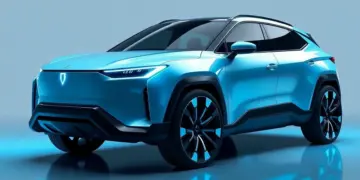
The upcoming Lucid Midsize platform underpins three distinct vehicle types, although none will be a sedan. This new platform promises at least 300 miles of driving range per vehicle, achieved through Lucid's newly developed in-house drive unit called Atlas. Pricing for these vehicles is expected to start below $50,000, positioning them to compete directly with entries like the Rivian R2, BMW iX3, and Mercedes-Benz GLC-Class EV.
Production for the first vehicle—a crossover intended to rival the Tesla Model Y—will begin ramping up in 2027. Within a year, Lucid aims to introduce an off-road-focused SUV, with a third variant following about 18 months later. Each of these vehicle bodies is designed for specific market needs and lifestyle preferences, rather than following the traditional sedan formula.
Lucid’s previous model, the Air sedan, featured impressive range and efficiency with advanced electric technology, reflecting the high engineering standards set during its development. However, market demand for sedans has declined, prompting Lucid to redirect efforts into crossovers and SUVs, which are increasingly popular among buyers for their utility and flexible configurations.
The new Midsize models leverage a blend of performance, electric efficiency, and modern design. The crossover and SUV formats allow for more cargo space, higher driving positions, and greater off-road capabilities—features highly valued by today’s consumers. Additionally, Lucid’s partnership with technology companies like Nuro and Uber reflects its goal to enter the autonomous vehicle market, as shown by driverless Gravity taxis already in testing.
Lucid's shift away from sedans aligns with a broader industry trend. In recent years, American and even global automotive markets have favored crossovers and SUVs over sedans due to their perceived versatility and family-friendly attributes. Although the Air sedan earned praise for its engineering, slow sales compared to the new Gravity SUV demonstrate that mainstream buyers are increasingly looking for larger, more practical vehicles.
By targeting a starting price under $50,000 and guaranteeing substantial range and new technology, Lucid positions its midsize vehicles to compete in one of the most dynamic and competitive segments. While sedans once dominated this space, vehicles like the Tesla Model Y and Rivian R2 now shape consumer preferences.
The new in-house Atlas drive unit is a core component of Lucid's midsize platform. Simply put, a drive unit consists of the electric motor and the parts that connect it to the wheels. Developing this part in-house allows Lucid to better control performance and efficiency, ultimately leading to longer battery range and potentially lower costs.
Autonomous driving technology, which Lucid is developing in partnership with Nuro and Uber, refers to vehicles that can navigate and drive themselves without a human behind the wheel. These technologies typically rely on sensors, cameras, and computer systems to interpret the driving environment and make safe decisions.
Lucid’s evolution into crossovers and SUVs, along with advancements in electric and autonomous technology, positions the company as an innovator in a rapidly changing automotive landscape. The new midsize platform reflects a deliberate response to both consumer demand and industry direction.