Daily Technology
·20/04/2026



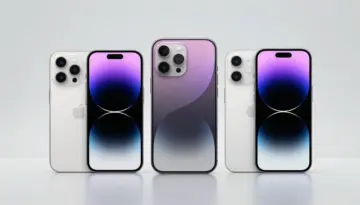
Recent reports indicate that Apple's upcoming iPhone 18 Pro will introduce a variable aperture system, a hardware feature inspired by professional DSLR cameras. This development signals a potential pivot from the industry's heavy reliance on software-driven computational photography toward fundamental hardware innovation, aiming to deliver a more authentic and controlled photographic experience.
Unlike the fixed apertures common in most smartphones, a variable aperture system allows the camera's lens to physically adjust its opening. This mechanism directly controls the amount of light reaching the sensor. While computational photography uses algorithms to simulate effects like background blur (bokeh) and improve low-light shots, the iPhone 18 Pro's approach would achieve these results through optical and mechanical means, promising a more natural image quality.
The technical advantages are significant. In low-light conditions, the aperture can widen to capture more light, resulting in brighter images with less digital noise. Conversely, in bright sunlight, it can narrow to prevent overexposure and maintain detail and clarity. This physical control also allows for a more precise manipulation of depth of field, enabling users to create professional-looking portraits with naturally blurred backgrounds, rivaling the capabilities of dedicated cameras.
The production of this complex system reportedly involves key Apple partners. Sunny Optical and Lux Share ICT are said to be manufacturing the actuators that enable the precise aperture adjustments, while LG Inotech is handling the final camera module assembly. Reports suggest that production for this component has begun earlier than typical manufacturing cycles, indicating Apple's strategic focus on perfecting this hardware before its anticipated launch.
Apple's adoption of a variable aperture could have a significant impact on the entire smartphone industry. As a market leader, its innovations often set new standards. If successful, this could compel competitors like Samsung and Google to shift their focus back to hardware-centric camera advancements. This would mark a new competitive front in smartphone photography, moving beyond algorithmic prowess to emphasize optical precision and mechanical engineering. Mass production is reportedly expected to begin by mid-2026, aligning with the iPhone 18 Pro's launch schedule.