Daily Car
·24/04/2026



The famous 2.5-liter five-cylinder engine from Audi, a favorite among car enthusiasts, is facing a major challenge. New pollution laws are threatening its existence, but Audi might have a plan to save it. Let's break down what's happening in a simple question-and-answer format.
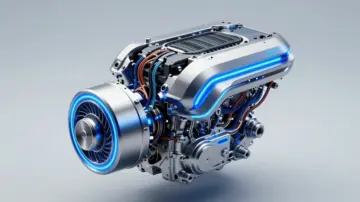
The engine, officially known as the EA855, is found in high-performance models like the Audi RS3 and Cupra Formentor VZ5. The problem is that it does not meet the new Euro 7 emissions standards, which are set to take effect in November. These are very strict rules from Europe designed to make cars cleaner, and the current engine's exhaust is not clean enough to pass the new tests.
Updating the engine to meet Euro 7 is complicated and expensive. It would require new exhaust sensors (NOx sensors), a special filter for soot (a particulate filter), more restrictive catalytic converters, and major changes to the engine's computer programming. Because this engine is only used in two car models, Audi must decide if spending that much money is a smart business move.
Audi is seriously considering turning it into a hybrid. This means pairing the gasoline engine with an electric motor. The electric motor can assist the car, especially at lower speeds, which helps reduce overall emissions. This could allow the powerful five-cylinder engine to meet the tough new Euro 7 standards. The head of Audi Sport, Rolf Michl, has confirmed that they are exploring all possibilities to keep the engine's emotional driving experience alive.
Yes. A good example is Lamborghini. They faced a similar problem with their large 6.5-liter V12 engine. Instead of discontinuing it, they added a hybrid system. This allowed the iconic V12 to survive in a new era of strict regulations. It shows that combining a classic engine's character with new electric technology is a feasible path.
The engine's fate is not sealed yet. While hybridization is a technically possible solution, the final decision will come down to cost. Audi must weigh the investment in developing a new hybrid system against the number of cars it will sell. For now, the engine will continue to be sold in markets with less strict rules, like the United States, for a while longer. Its ultimate survival depends on whether the numbers add up for Audi.