Daily Technology
·09/04/2026



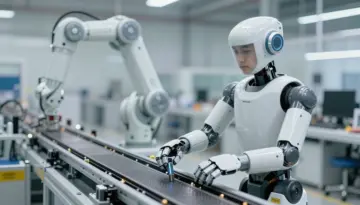
The era of humanoid robots in the supply chain is no longer science fiction. These machines are now walking through warehouses and handling tasks once reserved for humans, offering a solution to labor shortages and a path to operational modernization. While the potential for efficiency is immense, integrating these advanced robots into existing workflows introduces a new set of complex challenges that business leaders cannot afford to ignore.
As humanoids move from isolated pilots to critical components of daily operations, they become business assets intertwined with operational and legal risks. Successfully navigating this transition requires a proactive approach to the following key areas.
Unlike traditional industrial robots that operate from within guarded cells, humanoid robots are designed to work in shared spaces alongside people. This proximity raises significant safety and liability questions. Under regulations like those from OSHA in the U.S., employers must provide a workplace free from recognized hazards. A mobile, interactive robot presents a very different safety paradigm than a stationary machine.
Organizations must define accountability from the outset. If a robot causes an injury, is the manufacturer, the systems integrator, or the facility operator responsible? Companies like Figure AI, which is piloting its Figure 01 robot in BMW’s manufacturing plant, are at the forefront of developing the advanced safety protocols necessary for safe, close-quarters human-robot interaction. Formal policies and training on these interactions are no longer optional; they are essential for regulatory compliance and risk management.
Humanoid robots may start as “extra help,” but they are quickly woven into critical workflows. When a robot responsible for feeding a production line or moving finished goods goes down, the entire operation can grind to a halt. This transforms robot downtime from a technical issue into a significant business risk, potentially leading to missed service-level agreements (SLAs), customer penalties, and damaged supplier relationships.
For example, as Amazon tests Agility Robotics' Digit for tote handling, the robot's reliability becomes directly linked to the warehouse's overall throughput. Business contracts with robot suppliers must evolve to reflect this reality, including explicit uptime targets, rapid response times, and clear escalation paths that align with the true cost of downtime.
As they operate, humanoid robots generate enormous volumes of valuable data, from video feeds to performance metrics and refined workflow logic. This information is the basis for optimizing operations and building a competitive advantage. However, a critical question arises: who owns this advantage?
Without clear contractual boundaries, a company could find that the operational data from its own facility is being used by the robot vendor to train models and improve products that are then sold to competitors. When a company like Apptronik deploys its Apollo robot, the agreement must clearly delineate ownership of the operational data and any co-developed workflows to ensure the client retains the competitive edge they helped create.
Successful pilot programs are often driven by small, dedicated teams. However, scaling a fleet of humanoid robots requires a formal governance structure. Regulators, insurers, and business partners will demand clarity on who owns robot operations, who approves changes to their tasks, and how incidents are documented and resolved. Enthusiasm must be replaced with a clear, documented framework.
This means creating a cross-functional governance body that includes leaders from legal, safety, IT, and operations. This committee would be responsible for overseeing the entire robotics program, ensuring that decisions are made holistically. Proactively addressing safety, continuity, data, and governance is the only way to unlock the full potential of humanoid robots and build a lasting operational advantage.