Daily Technology
·30/03/2026



Amazon's recent acquisition of Fauna Robotics, the startup behind the humanoid robot Sprout, marks a significant strategic pivot for the e-commerce giant. While Amazon already commands a massive fleet of over a million robots in its warehouses, this move signals a deeper push beyond industrial automation and into the realm of social, consumer-facing robotics. This acquisition highlights several key trends shaping the industry's future.
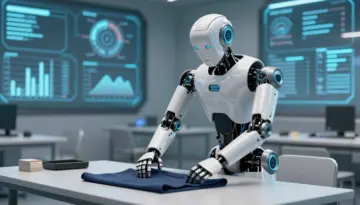
A primary trend is the development of robots designed for social interaction rather than physical labor. Fauna Robotics' Sprout is a prime example. This 3.5-foot-tall robot is not built for heavy lifting but for engaging in social spaces like homes and schools. Its capabilities include dancing, grabbing small toys, and navigating household environments.
The importance of this trend lies in shifting the role of robots from tools of production to companions and assistants in daily life. By focusing on "fun interactions," companies are exploring how humans and robots can coexist in personal settings. Sprout represents a move toward robots that are approachable and integrated into the social fabric.
This acquisition underscores a persistent effort by technology giants to enter the consumer robotics market. For Amazon, this is not a new ambition. The company's recent, though ultimately canceled, attempt to purchase iRobot, the maker of the Roomba vacuum, revealed its long-term interest in having a robotic presence in the home. The Fauna deal confirms this strategic direction.
By bringing Fauna's team and technology in-house, Amazon is investing in a different facet of consumer robotics—one focused on interaction and assistance, complementing its existing Alexa AI ecosystem. This move indicates that despite regulatory hurdles and market challenges, major corporations see immense long-term value in the domestic robot sector.
Fauna's business model reveals another critical trend: robotics-as-a-platform. The article notes that Sprout is more of a "software developer platform than just a robot." It is sold to academic and corporate research labs for $50,000, with early customers including Disney. This approach is crucial for fostering innovation.
Instead of selling a closed-off product, Fauna provides a foundation upon which other developers can build applications. This platform model accelerates research and development in human-robot interaction and allows for the creation of specialized functions tailored to different environments. It transforms a single piece of hardware into a versatile ecosystem for experimentation and growth, signaling a more collaborative future for robotics development.