Daily Technology
·21/04/2026



The landscape of physical retail is undergoing a significant transformation, moving beyond simple self-service options to embrace a new generation of artificial intelligence. This evolution is not happening through a mobile app update but directly on the shop floor, where immersive and interactive technologies are redefining the customer experience. Three distinct yet potentially convergent technologies are at the forefront of this shift: glasses-free 3D displays, remote-operated avatars, and humanoid robots.
The first innovation, 3D spatial signage, aims to capture customer attention. Companies like Samsung and Sony are developing advanced, lightweight displays that create vivid, glasses-free 3D visuals. These systems turn static product merchandising into a dynamic, immersive experience. Samsung’s cloud-based VXT platform further enhances this by allowing retailers to convert standard images into 3D content and manage it remotely across multiple locations. The primary function of this technology is to pull shoppers into richer product storytelling, shifting the battle for attention from digital touchpoints to a more compelling physical presence.
Next, remote avatars are emerging as a scalable solution for the service layer of retail. In regions like Japan and Singapore, retailers are deploying avatars to address staff shortages, provide multilingual support, and enhance accessibility. For instance, public transport operator SBS Transit in Singapore developed an avatar trained on a large language model to handle transport inquiries in multiple languages, including a version that uses sign language for hearing-impaired commuters. This approach brings a human touch to customer service without requiring a physical human presence at every service point, offering a flexible solution for peak hours and specialized needs.
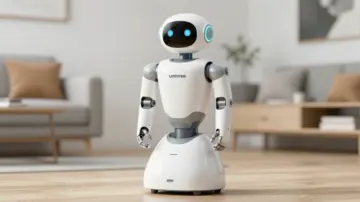
Finally, humanoid robots represent the labor layer of this new retail ecosystem. China is currently leading in the deployment of these machines in customer-facing roles. Automaker Chery uses a humanoid robot as an Intelligent Sales Consultant, while McDonalds has experimented with robots to greet and interact with customers. The core advantage of humanoids is their ability to navigate and operate in environments built for humans, performing tasks such as carrying items, stocking shelves, and providing physical assistance. As they become part of the brand experience, they inherit the expectations of reliability and courtesy traditionally placed on human staff.
While each technology serves a different primary purpose—3D displays for attraction, avatars for service, and humanoids for labor—their true potential lies in integration. A cohesive strategy that combines these layers can create a seamless customer journey, guiding a shopper from initial attraction to specialized service and physical assistance, heralding a new era of smarter, more personalized in-store environments.