Daily Technology
·17/04/2026



Recent information from industry sources suggests that Microsoft's next generation of Surface devices may represent an evolutionary step rather than a revolutionary leap. Leaks point toward a spring release for new Surface Pro and Surface Laptop models, primarily featuring updated processors and minor refinements, which may come with an increased price point.
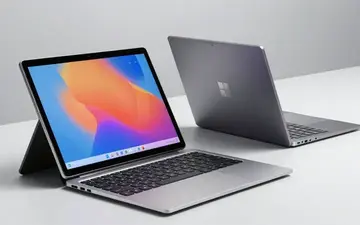
The next Surface Pro is expected to retain its established hybrid tablet/PC design. According to reports from European retailers, the device will offer a choice between Intel's latest Core Ultra Series 3 processors and Qualcomm's Snapdragon X2 series chips, specifically the Elite or Plus variants. This aligns the Surface Pro with the new category of Copilot+ PCs.
Configuration options are projected to start with 16GB of RAM and 256GB of storage, with high-end models potentially reaching up to 64GB of RAM and 2TB of storage. Despite these internal upgrades, the external design and form factor are not expected to see significant changes. Given the current pricing structure, a price increase for these new models seems probable.
The Surface Laptop may receive slightly more noticeable updates. A key potential upgrade is the introduction of an OLED screen, which would offer superior contrast and color compared to the current LCD panels. However, this feature might be reserved for higher-tier configurations. Another anticipated enhancement is a new trackpad employing haptics for force feedback.
In terms of processing power, the initial launch will likely feature Intel Core Ultra 5 and Core Ultra 7 series processors. Models equipped with Snapdragon chips are expected to follow later in the year. It remains unclear if the most powerful versions of these chipsets, such as Intel's X7 or the Snapdragon X2 Elite Extreme, will be available. Furthermore, Microsoft may consolidate its screen size offerings, potentially moving away from the current 13.8-inch and 15-inch options. Overall, the upcoming refresh appears to be a modest one, focusing on internal hardware to support new AI features rather than a comprehensive redesign.