Daily Technology
·15/04/2026



The tech world is buzzing with anticipation for Apple's first foldable device. Recent leaks, including alleged dummy units, are providing the first concrete look at the iPhone Fold, revealing not just a new product but key trends in Apple's future direction.
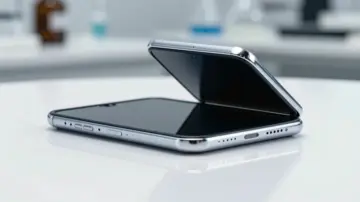
Leaked images suggest Apple is diverging from the current market standard. Instead of a tall, narrow phone that unfolds into a square, the iPhone Fold appears short and wide, opening into a landscape-oriented, tablet-like display. This design, seen in dummy units revealed by leaker Sonny Dickson, aims to create a more practical tablet experience, akin to a smaller iPad mini.
This approach addresses a common critique of existing foldables—that their unfolded, near-square screens are awkward for media consumption and productivity. By prioritizing a landscape aspect ratio, Apple could be setting a new standard for what a foldable device should be: a seamless blend of a compact phone and a genuinely useful small tablet.
The path to launch is proving to be complex, highlighting the immense challenges of mass-producing innovative hardware. Conflicting reports paint a volatile picture of the release schedule. While some sources, like Bloomberg's Mark Gurman, initially suggested an on-time September 2026 launch, others from Nikkei and DigiTimes point to significant production delays.
These reports cite headwinds in manufacturing and testing, with mass production potentially slipping by one to two months. This trend of production uncertainty is common for first-generation devices. It suggests that even if the iPhone Fold launches on schedule, initial supplies could be heavily constrained, making it a difficult product to acquire at launch.
The leaks don't just show the iPhone Fold in isolation; they place it alongside mockups of the iPhone 18 Pro and Pro Max. This comparison reveals a deliberate strategy to position the Fold as a distinct category within the broader iPhone ecosystem, rather than a simple replacement for the Pro Max model.
Its compact, folded size suggests high portability, while the unfolded screen offers a display larger than any current iPhone. This indicates Apple is targeting users who want both a pocketable device and a larger screen for specific tasks, effectively creating a new tier in its mobile lineup that complements the traditional iPhone form factor.