Daily Technology
·30/03/2026



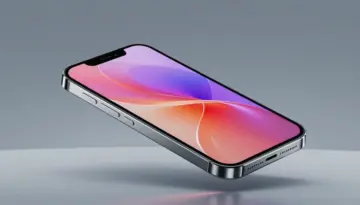
The era of dramatic annual shifts in smartphone aesthetics appears to be concluding. Across the industry, a new consensus is forming, prioritizing internal performance enhancements over significant external redesigns. This strategic pivot reflects a notable change in consumer expectations and market dynamics, signaling a maturation of the mobile device landscape.
Recent data indicates a significant portion of the market is no longer demanding radical visual overhauls for new devices. A poll of smartphone users revealed that over 70% are content with minor or no design changes in upcoming models. This suggests that for the majority, the functional core of the device has become more important than its external appearance.
Delving into the specifics, nearly 35% of respondents favored minor hardware upgrades while maintaining the current price point. A further 12% indicated that new color options would be a sufficient update. In contrast, just under 30% expressed a willingness to pay a premium for a major redesign. This data points to a market that values stability and performance over novelty for its own sake.
Leading manufacturers are aligning their strategies with this consumer sentiment. Apple, for instance, is expected to focus on incremental but meaningful updates for future iPhones. These include advancements like more efficient 2-nanometer chipsets, a refined user interface with significant AI-driven features, and subtle hardware tweaks such as a smaller Dynamic Island. This approach allows for consistent progress without the high costs and risks associated with complete redesigns.
This trend is not exclusive to one brand. It is anticipated that other major players, including Samsung with its Galaxy series and Google with its Pixel line, will adopt similar strategies. The focus is shifting industry-wide towards enhancing the user experience through software optimization and internal component upgrades. This shift also corresponds with longer consumer upgrade cycles; as people hold onto their phones for longer, the need for annual visual refreshes diminishes.
The smartphone market has reached a state of design maturity. The consensus between consumers and manufacturers indicates a clear direction: the future lies not in reinventing the form factor every year, but in perfecting the function within. Expect a continued focus on more powerful processors, smarter software, and greater efficiency as the primary drivers of innovation.