Daily Technology
·06/03/2026



Apple's latest wave of product announcements reveals a clear and consistent strategy: focus on powerful internal upgrades while maintaining familiar, established designs. From the new M4 iPad Air to the M5-powered MacBook lines, the theme is not radical reinvention but deliberate, performance-oriented evolution. This approach signals a mature product ecosystem where the most significant changes are happening under the hood, targeting power users and next-generation software.
A dominant trend across Apple's new lineup is the prioritization of iterative hardware refinement. Instead of complete overhauls, products are receiving incremental updates that enhance their core functionality. This indicates that the existing designs are considered polished and effective, shifting the focus of innovation from external aesthetics to internal capability. This strategy ensures design consistency and familiarity for users while delivering tangible performance gains with each new generation.
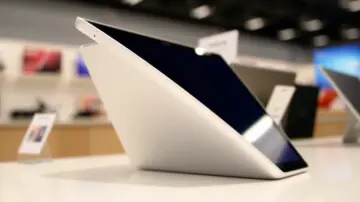
A prime example is the new M4 iPad Air. Available in 11-inch and 13-inch models, it is visually indistinguishable from its predecessor, retaining the same aluminum body, Liquid Retina display, and camera systems. The major change is the M4 chip, which drives the device's enhanced performance. Similarly, the latest MacBook Pro and MacBook Air models received M5-series chips, and the iPhone 17e gained MagSafe and more storage, all within their existing form factors.
The performance boosts in these new devices are not arbitrary; they are specifically aimed at professionals, creatives, and the growing demands of artificial intelligence. The upgrades to CPU, GPU, and unified memory are engineered to handle resource-intensive tasks more efficiently. This prepares the hardware for the next wave of software, particularly applications involving machine learning and on-device AI processing.
The M4 chip in the new iPad Air, for instance, delivers a CPU that is 20-30% faster and a GPU that is roughly 15% faster than the previous generation. Crucially, the unified memory has been increased from 8GB to 12GB. This combination makes a noticeable difference in demanding creative apps like Final Cut Pro and Pixelmator Pro and provides the necessary headroom for future Apple Intelligence features and complex AI applications.