Daily Technology
·20/02/2026



Toyota's manufacturing subsidiary in Canada is integrating seven Agility Robotics' Digit humanoid robots into its RAV4 production plant. This move, following a year-long pilot program, marks a significant step in deploying advanced robotics for repetitive physical tasks, aiming to enhance worker experience and operational efficiency.
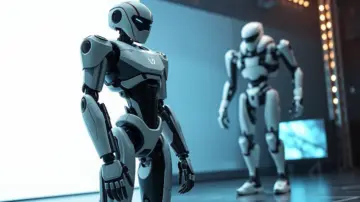
Toyota Motor Manufacturing Canada (TMMC) has officially brought seven Agility Digit humanoid robots into its plant, which is responsible for building RAV4 SUVs. This decision comes after a successful year-long pilot project, and the robots are being deployed under a robots-as-a-service agreement. TMMC President Tim Hollander expressed excitement about using Digit to "improve the team member experience and further increase operational efficiency."
The Digit robots, developed by Agility Robotics, are designed for industrial settings, often working alongside automated systems. In this specific application, they will be tasked with unloading totes filled with auto parts from automated warehouse tuggers. While the number of robots may seem modest, the actual deployment of humanoid robots into active workplaces is a complex and infrequent achievement, moving beyond laboratory demonstrations to practical integration.
Agility Robotics is recognized as a leader in bringing robots out of research labs and into operational environments. Their Digit robots are already performing similar functions for logistics companies like GXO, Schaeffler, and Amazon. Agility utilizes a proprietary cloud-based software called Arc to manage fleets of robots, with artificial intelligence playing a crucial role in reducing deployment costs. Agility's CTO, Pras Velagapudi, highlighted last year that the cost of deployment can often exceed the price of the robot itself, and AI tools are essential for streamlining configuration and performance.
TMMC and Agility plan to use this collaboration to explore additional use cases that can alleviate human workers from strenuous, repetitive tasks, allowing them to focus on more valuable work. The company is also developing a next-generation robot designed for safe operation alongside human workers, as current powerful humanoid robots still present reliability concerns for autonomous operation around people.
Toyota's move places them among a growing number of companies exploring the potential of humanoid robots in industrial settings. Competitor Figure AI, for instance, tested its Figure 02 robots in a BMW factory, where they reportedly unloaded 90,000 parts over a 10-month period. Other companies actively involved in pilot programs with humanoid robots include Apptronic, Unitree, Tesla, Boston Dynamics, 1X Technology, and Reflex Robotics, indicating a significant trend towards the adoption of these advanced machines in various sectors.