Daily Technology
·30/01/2026



Tesla has made significant strategic changes, recently discontinuing the longstanding Model S and Model X vehicles to focus on advancing humanoid robot technology. This move underscores a transition in priorities as electric vehicle (EV) competition intensifies globally, raising important questions about technical performance, industry landscape, and future impact.
The Model S, introduced over a decade ago, was a hallmark of premium EVs, offering long-range capability, fast acceleration, and advanced driver-assistance features. Over the years, incremental improvements were made, such as increased battery range and the addition of semi-autonomous driving technologies. However, limited comprehensive redesign and competitive advancement have left it behind as rivals like Porsche Taycan and Lucid Air have entered the market with fresh innovations and higher performance indices, such as enhanced 800V electrical architectures for faster charging and improved thermal management.
Similarly, the Model X initially differentiated itself with features like “falcon wing” doors and a spacious interior, but these elements presented reliability challenges and did not keep pace with evolving consumer expectations for luxury electric SUVs. Competition has widened, notably from new energy vehicle start-ups from China and America, as well as established automakers scaling their electrified offerings with improved production quality and wider feature sets.
Publicly available delivery figures reflect this changing landscape. In Q4 2025, combined deliveries for the Model S, Model X, and Cybertruck fell by more than 50%, and year-on-year deliveries declined by 40%, according to Tesla’s announced statistics. Production for right-hand drive markets was halted in 2023, a signal of waning global demand and expanded international competition. This volatility underscores both rising EV industry standards and the challenge legacy models face as innovation cycles accelerate.
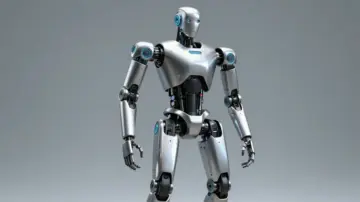
Tesla’s decision to shift resources towards developing the Optimus humanoid robot represents a pivot from the matured EV sector towards the ambitious, but highly experimental, field of robotics and artificial intelligence. According to CEO Elon Musk, the Optimus robot remains in early research and development (R&D), with no units yet performing productive labor in Tesla factories. Production goals, such as manufacturing 10,000 units within a year, contrast with Musk’s own admission that the project is still “very much at the early stages.”
Unlike the relatively evidence-based benchmarks for the Model S and X—such as EPA range ratings, global NCAP safety scores, and regular over-the-air software updates—comparable objective performance metrics for the Optimus robot have not been publicly disclosed. Industry expectations for humanoid robots include mobility, dexterity, safety standards, and autonomy, but Tesla has yet to announce results of standardized robotics testing or demonstrate widespread industrial deployment.
In summary, the retirement of Model S and Model X reflects the intense competition and rapid evolution of the global EV sector, while the Optimus project highlights Tesla’s aim to pioneer new markets through technological leadership. Both moves carry substantial technical risk and promise. While legacy vehicles are measured by concrete standards and well-publicized benchmarks, robotics at Tesla remains in the developmental phase, with future performance and applications yet to be validated by third-party testing or mass-market delivery.