Daily Technology
·23/01/2026



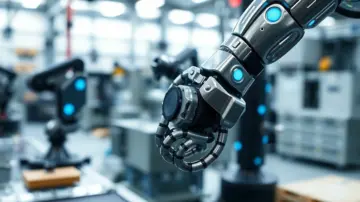
Elon Musk has once again set an ambitious timeline, announcing at the World Economic Forum in Davos that Tesla's Optimus humanoid robot could be available for public purchase by the end of next year. This declaration, however, comes with a significant dose of skepticism, given Musk's history of optimistic yet often unmet deadlines.
Musk presented the Optimus robot as a machine capable of performing nearly any task a human can. He did, however, include a caveat, stating that sales would only commence when Tesla is "confident that it’s very high reliability, very high safety and the range of functionality is also very high." Despite claims of robots already working in Tesla factories, concrete evidence remains scarce. Past demonstrations have been met with skepticism, with reports suggesting that some robots were remotely operated by humans, a claim highlighted by a viral video showing a robot falling over when a headset was removed.
Following Musk's announcement, Tesla's stock experienced a rise of over three percent. This surge suggests that investors are optimistic about the potential of the Optimus project, envisioning a future where these robots could be integrated into daily life. However, this optimism is tempered by the recent departure of Milan Kovac, the program head for the Optimus project, adding another layer of uncertainty to the ambitious timeline.
In addition to the Optimus robot, Musk also provided an update on the long-awaited Cybercab. He stated that production is slated to begin in April, with an annual manufacturing goal of two million vehicles. While this venture appears less far-fetched than the Optimus promise, the target of two million units annually raises questions about consumer demand for a two-seater vehicle without a steering wheel.