Daily Technology
·21/01/2026



Human-focused robotics development is prioritizing tools that support people, not replace them. A leading example is Vecna’s healthcare robots, which transport medication within hospitals, freeing nurses for critical care tasks. Likewise, telepresence robots have enabled remote students to participate in classrooms, improving access and inclusion. This trend underscores that successful robotics are those that make life tangibly better, emphasizing empowerment over spectacle.
The market for robots conducting dangerous, repetitive, or logistical work is strong and growing. Warehouses and factories rely on purpose-built solutions—like autonomous forklifts, robotic arms, and automated guided vehicles—that deliver measurable value today. For instance, robots from companies like Boston Dynamics and Vecna move goods, boost efficiency, and improve safety, all without humanoid features. These working robots are established, with proven industry adoption and documented productivity improvements.
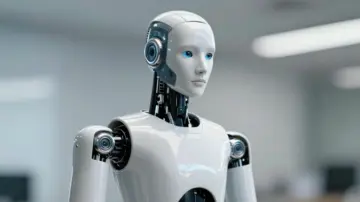
Despite high-profile demonstrations and viral videos, functional general-purpose humanoid robots remain years away from practical deployment. Current media hype, driven by significant investment, often misleads on near-term real-world capabilities. Experts warn of a looming market correction similar to past industry cycles (big data, IoT, dot-com). Most robotics professionals acknowledge that hardware complexity and safety requirements make rapid progress unlikely. The sector risks disillusionment unless expectations are tempered by technological realities.
Where humanoid forms are emerging, their strength lies in unique, niche applications. These include entertainment, companionship, and scenarios requiring human-like interaction. While the concept draws attention, representative products such as social companion robots or niche entertainment platforms remain experimental or serve limited markets. Experts predict industries such as adult entertainment might see early commercial traction before broader deployment in everyday life.
Supporting infrastructure is vital for robotic innovation. Community workspaces like MassRobotics in Boston give startups access to equipment, expertise, and mentorship that would otherwise be out of reach. Such hubs accelerate the development and deployment of new robotics solutions, shaping local and global robotics ecosystems. They also encourage knowledge sharing and best practices, which help counter hype and allow practical advancements to flourish.
Robotics is advancing, but not always where headlines suggest. Purpose-driven automation is already making an impact, while humanoid robots face steep hurdles beyond the lab. The industry’s healthiest growth comes from practical deployments and collaborative innovation—not hype. Staying grounded in real-world value will shape the next breakthroughs in robotics, benefiting society as a whole.