Beyond Thirst Surprising Signs You Might Be Dehydrated

Daily Health

Daily Health

·

09/04/2026

button icon
ADVERTISEMENT

Most of us wait until we feel thirsty to grab a glass of water. While thirst is a clear signal from your body, it's often not the first. Dehydration occurs when you lose more fluid than you take in, and your body can't carry out its normal functions. Recognizing the earlier, more subtle signs is key to maintaining optimal health.

The Less Obvious Clues

Your body has several surprising ways of signaling its need for water before thirst kicks in. Paying attention to these can help you stay ahead of dehydration.

One of the first places dehydration may show up is in your mouth. A lack of water can reduce saliva production. Since saliva has natural antibacterial properties, a dry mouth can allow bacteria to thrive, leading to bad breath. Another subtle sign is your skin's elasticity. Properly hydrated skin is plump and resilient. You can perform a simple skin turgor test by gently pinching the skin on the back of your hand; if it snaps back quickly, you're likely hydrated. If it's slow to return, you might need more fluids.

ADVERTISEMENT

Unexpected food cravings, particularly for sweets, can also be a sign. When you're dehydrated, it can be difficult for organs like the liver to release stored glucose (glycogen), leading to a desire for a quick energy boost from sugary foods.

Why Staying Hydrated Matters

Even mild dehydration can have a noticeable impact on your well-being. Research has shown that fluid loss equivalent to just 1-2% of body weight can impair cognitive functions, including concentration, alertness, and short-term memory.

Chronic low-level dehydration can contribute to more significant health issues over time, such as constipation, kidney stones, and urinary tract infections. Water is essential for regulating body temperature, lubricating joints, and helping your body remove waste. When you're low on fluids, every system has to work harder.

ADVERTISEMENT

Practical Steps for Better Hydration

Staying hydrated doesn't have to be a chore. Integrating simple habits into your daily routine can make a significant difference.

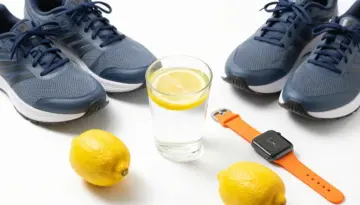
Start by carrying a reusable water bottle with you throughout the day as a constant visual reminder. If you find plain water unappealing, try infusing it with fruit like lemon, cucumber, or berries for a natural flavor boost. Don't forget that you can also "eat" your water. Many fruits and vegetables have high water content, such as watermelon, strawberries, and celery. Finally, one of the simplest ways to monitor your hydration is to check your urine color. A pale, straw-like yellow generally indicates good hydration, while darker yellow or amber can be a sign that you need to drink more fluids. Listening to these subtle signals can help you maintain energy, focus, and overall health.
Recommend

2026-03-16
Heart Disease Risk May Begin Earlier Than Thought, New Research Suggests
New research suggests heart disease risk can begin in early adulthood due to metabolic health factors, emphasizing the importance of early prevention and lifestyle choices.
ADVERTISEMENT
2026-03-16
Vitamin D and COVID The Unexpected Link to Long Haul Symptoms
A new study reveals vitamin D doesn't reduce COVID-19 severity but shows a surprising, potential link to a lower risk of long COVID. Learn what this means for you.
2026-03-20
Fuel Your Body on a Budget: Smart Strategies for a High-Protein Diet
Discover practical and affordable ways to eat a high-protein diet without spending a fortune. Learn about budget-friendly protein sources and smart shopping tips.
2026-03-25
Unlock Better Health with Small, Daily Changes
Feeling overwhelmed by health advice? Learn how small, sustainable changes in sleep, diet, and exercise can lead to significant health benefits. A practical guide for beginners.
ADVERTISEMENT
2026-03-26
Your Plate and Your Pain: An Introduction to Anti-Inflammatory Eating
Struggling with chronic pain? Learn how an anti-inflammatory diet can help. Our beginner's guide offers simple food swaps and meal ideas to get you started.
2026-03-26
MIND Diet Linked to Slower Brain Aging, Potentially Adding Years to Cognitive Health
Discover how the MIND diet, a blend of Mediterranean and DASH principles, may slow brain aging by over two years, preserving cognitive function and reducing tissue loss.
2026-03-31
Unraveling the Colors of Stress: Your Brain's Surprising Spectrum
Discover how stress affects your brain, revealing a surprising spectrum of color activation rather than a single response. Learn about the implications for mental well-being.
ADVERTISEMENT
2026-04-06
Solving the Keto Fiber Puzzle: A Beginner's Guide
Struggling with the keto diet? Learn how to easily add fiber back into your meals to improve digestion and feel fuller. A simple guide for beginners.
2026-04-07
Boost Your Brainpower: The Surprising Link Between Exercise and Memory
Discover how short bursts of exercise can significantly improve your memory and focus. Learn common mistakes to avoid and simple, actionable tips to start today.
2026-04-09
Beyond Blue Light: A Practical Guide to Better Sleep
Is blue light from your phone really the enemy of sleep? Discover the truth about light exposure and learn simple, effective steps to reset your body clock.
ADVERTISEMENT