Why Short Intense Workouts Could Be Your Healthiest Habit

Daily Health

Daily Health

·

31/03/2026

button icon
ADVERTISEMENT

For years, the prevailing wisdom on exercise has often been focused on duration. Many believe that longer workouts are inherently better. However, emerging research suggests that when it comes to long-term health, the intensity of your physical activity might be the most crucial factor.

The Science of Intensity

A recent study published in the European Heart Journal analyzed data from the UK Biobank, a large-scale biomedical database. Researchers tracked the health of thousands of middle-aged individuals, some of whom wore accelerometers to objectively measure their activity levels. The findings were compelling: the intensity of exercise appeared to have a greater preventive potential than the total time spent being active.

ADVERTISEMENT

Vigorous physical activity is typically defined as any movement that leaves you feeling breathless. The study found that individuals who dedicated just a small portion of their weekly activity—as little as 4%—to vigorous exercise had a significantly lower risk of developing several chronic conditions. These included major cardiovascular disease, liver disease, type 2 diabetes, and dementia.

The Benefits of Going Breathless

The advantages of incorporating high-intensity movement are substantial. According to the research, participants who engaged in vigorous activity saw the most significant risk reductions for dementia (63% lower) and type 2 diabetes (60% lower). They were also 46% less likely to die during the study's follow-up period compared to those who performed no vigorous activity.

ADVERTISEMENT

These patterns remained consistent even when comparing individuals who exercised for the same total duration but at different intensity levels. This suggests that vigorous exercise may have unique physiological effects, possibly by helping to reduce the harmful inflammation that contributes to many chronic health problems.

How to Add Intensity to Your Day

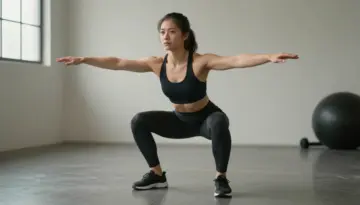
The good news is that you don't need a gym membership or a complex training plan to reap these benefits. The key is to integrate short, powerful bursts of activity into your existing routine. Even 15 to 20 minutes of vigorous effort spread throughout the week could make a meaningful difference.

ADVERTISEMENT

Consider these practical examples:

A Balanced Perspective

It is important to recognize that high-intensity exercise may not be suitable for everyone, particularly older adults or individuals with pre-existing health conditions. The foundational principle remains that any regular physical activity is far better than none at all. Before making significant changes to your exercise routine, especially if you have health concerns, it is always wise to consult with a healthcare professional. The goal is to find a sustainable and safe approach that works for your body and lifestyle.


Recommend

2026-03-17
Mildly High Blood Pressure? Why Some May Not Need Medication Right Away
New guidance suggests healthy older adults with mildly elevated blood pressure—particularly women—may not need medication right away. Lifestyle changes and monitoring could be enough for low-risk patients, according to the latest analysis.
ADVERTISEMENT
2026-03-18
Shingles Vaccine: Weighing Prevention Against Treatment
Considering the shingles vaccine? Compare the benefits of prevention with Shingrix, including reduced dementia risk, against treating an active infection. Make an informed choice for your health.
2026-03-18
A Beginner's Guide to Building Strength Safely
New to strength training? Our beginner's guide explains how to start safely, avoid common mistakes like poor form, and build strength with simple exercises.
2026-03-23
The Global Prescription: Why Local Drug Discovery Is a Game Changer
Discover why locally-led drug discovery in Africa is crucial for global health. This article compares research models and explains the impact of genetic diversity.
ADVERTISEMENT
2026-03-23
Conquering Allergy Season A Practical Guide
Struggling with spring allergies? Learn expert tips to manage symptoms, from effective over-the-counter treatments to debunking common myths like local honey.
2026-03-24
Beyond Beans: Top 6 High-Protein Canned Foods for a Quick Boost
Discover the top 6 high-protein canned foods that go beyond beans, offering convenient and nutritious options for quick meals and snacks.
2026-03-25
Colon Cancer Screening: Colonoscopy vs At Home Kits
Confused about colon cancer screening? This guide compares colonoscopy vs. at-home stool tests, explaining the pros, cons, and who each is for. Make an informed choice.
ADVERTISEMENT
2026-03-27
The Salty Truth: How Much Sodium Is Too Much for Your Heart
Discover the salt limit that could push your heart to its breaking point. Learn the risks of high sodium and get practical tips to protect your heart health.
2026-03-31
Ultra-Processed Foods Linked to Increased Risk of Depression, New Study Suggests
New research suggests a strong link between consuming ultra-processed foods and an increased risk of depression, exploring potential biological mechanisms and dietary recommendations.
2026-03-31
Unlock Pain-Free Mornings by Adjusting Your Sleep
Waking up with neck or back pain? Your sleep position might be the cause. Learn simple adjustments for side sleepers to improve spinal alignment and enjoy pain-free mornings.
ADVERTISEMENT