Daily Health
·23/12/2025



Parents, students, office workers, and fitness enthusiasts alike often wonder: Should I be doing crunches or planks to strengthen my core? Both exercises promise better abs, posture, and balance–but which is truly best for your situation? Below, we break down the benefits, limitations, action mechanisms, and ideal cases for both, backed by scientific findings, so you can make a confident and informed choice.
Benefits: Crunches (like traditional sit-ups or V sit-ups) primarily target the rectus abdominis, the muscle group responsible for the classic six-pack look. According to numerous electromyographic studies, crunches show marked activation of this muscle. This makes crunches useful for developing visible ab muscles, improving balance, and supporting better posture for daily activities (especially useful for parents and office workers).
Limitations: Crunches put shear stress on the lumbar spine. Several clinical studies indicate that high repetition or improper form can lead to discomfort or injury, particularly for those with a history of low back pain. Crunches primarily work the surface abs but neglect the deeper core stabilizers and obliques if not paired with other movements.
Mechanism of Action: When you perform a crunch, you contract your abdominals to lift the upper torso. This isolates and strengthens the muscles used when you bend at the waist or support objects (helpful for parents lifting children or heavy bags).
Ideal Use Cases: If your goal is visible abs, targeted abdominal development, or posture correction, crunches—done in moderation and with proper form—can boost your routine. Students and those sedentary during the day may also benefit from this added core activation.
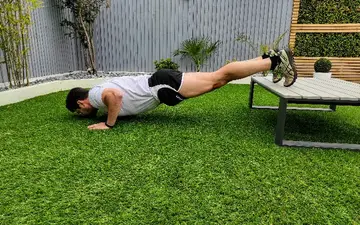
Benefits: Planks are an isometric exercise, recruiting not only the rectus abdominis but also the obliques, transverse abdominis, lower back, glutes, and even shoulders. According to randomized controlled trials, planks foster improved core strength, spinal stability, and overall functional movement, making it a go-to for injury prevention and total-body health. Office workers and anyone sitting long hours may find planks superior for combating muscular imbalances.
Limitations: Planks can be intimidating for beginners, as they require full-body tension. Poor form (such as sagging hips) diminishes core engagement and increases risk of strain, especially in the shoulders and lower back. Long-duration planks add little benefit beyond a threshold; researchers recommend holding form for quality over time.
Mechanism of Action: Planks maintain a rigid, straight posture from head to heels, requiring strong muscular contraction across the entire trunk. This evenly distributes load through the core, helping reduce lower back pain—a key concern for office workers, parents, and students alike.
Ideal Use Cases: Individuals seeking improved posture, balance, and overall functional core strength (rather than just visible abs) will find planks more effective. Fitness enthusiasts can adapt the exercise (side planks, plank on exercise ball) for ongoing challenge.
Crunches and planks each serve unique roles in core strength. Crunches are excellent for focused abdominal development and quick wins in posture improvement. Planks reign supreme for overall stability, balanced muscle engagement, and injury prevention. For a bulletproof routine, incorporate both–but start with manageable sets, emphasize form, and build gradually. Your core (and back!) will thank you.