Daily Health
·24/04/2026



While most moles are harmless, it's crucial to be aware that some can change in size, shape, and color. These alterations can sometimes indicate the development of skin cancers, such as melanoma. Regular self-examination and prompt consultation with a healthcare professional are vital for early detection and treatment.
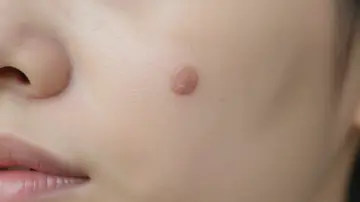
Moles, also known as nevi, are common skin growths that appear when pigment cells, called melanocytes, grow in clusters. Most moles are benign and pose no health risk. However, it is essential to monitor them for any changes.
Healthcare professionals often use the "ABCDE" rule to help identify potentially cancerous moles:
If you notice any of the ABCDE signs in a mole, or if a mole looks different from others on your body (the "ugly duckling" sign), it is important to consult a dermatologist or other healthcare provider. They can examine the mole and determine if a biopsy is necessary.
While not all skin cancers can be prevented, taking steps to protect your skin from the sun's harmful ultraviolet (UV) rays can reduce your risk. This includes wearing sunscreen, protective clothing, and seeking shade. Regular skin checks, both self-examinations and professional ones, are key to catching any suspicious changes early, when treatment is most effective.