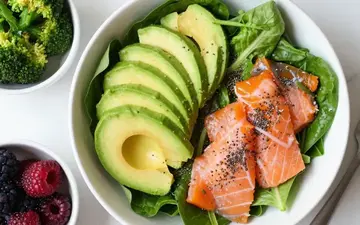
The Hidden Health Boost: Don't Discard Those Tinned Fish Bones!

Daily Health

Daily Health

·

22/04/2026

button icon
ADVERTISEMENT

Many people automatically discard the soft, edible bones found in tinned fish like sardines and salmon, believing them to be unappetizing or unnecessary. However, this common practice means missing out on a significant source of essential nutrients. These bones are not only safe to consume but are packed with health benefits that can significantly boost your diet.

Key Takeaways

Unlocking Nutritional Value

Canned fish undergoes a high-heat processing method that softens the bones to the point where they are entirely edible and easily digestible. This process makes the calcium within the bones readily available for your body to absorb. Calcium is crucial for maintaining strong bones and teeth, and it plays a vital role in muscle function and nerve signaling.

ADVERTISEMENT

Beyond Calcium: A Mineral Powerhouse

While calcium is the most celebrated nutrient found in these edible bones, they also offer other important minerals. Vitamin D, often lacking in many diets, is also present, working synergistically with calcium to enhance bone health and support immune function. Additionally, you'll find phosphorus, which is essential for bone structure and energy production, and magnesium, involved in hundreds of bodily processes.

Making the Most of Tinned Fish

Incorporating tinned fish with their bones into your meals is simple. Whether you're making a salad, a sandwich spread, or enjoying them straight from the can, consider leaving the bones in. Their soft texture often goes unnoticed, especially when the fish is mashed or flaked. This easy dietary addition can significantly contribute to your daily intake of vital nutrients, making tinned fish a true superfood.


Recommend

2026-03-31
Ultra-Processed Foods Linked to Increased Risk of Depression, New Study Suggests
New research suggests a strong link between consuming ultra-processed foods and an increased risk of depression, exploring potential biological mechanisms and dietary recommendations.
ADVERTISEMENT
2026-04-01
Sedentary Lifestyles May Increase Dementia Risk, But Brain-Boosting Activities Offer Hope
Discover how prolonged sitting may increase dementia risk and learn about brain-boosting activities that can help offset these dangers for better cognitive health.
2026-04-06
Solving the Keto Fiber Puzzle: A Beginner's Guide
Struggling with the keto diet? Learn how to easily add fiber back into your meals to improve digestion and feel fuller. A simple guide for beginners.
2026-04-08
Navigating the World of Longevity Medicine
Longevity medicine aims to extend healthy life, but it's an unregulated field. Learn to separate evidence-based care from marketing hype and focus on proven health strategies.
ADVERTISEMENT
2026-04-13
Longevity Decoded: Billionaire Biohacks vs. Everyday Habits
Torn between high-tech biohacking and traditional health advice? This article compares the tech industry's longevity fads with evidence-based lifestyle changes.
2026-04-15
Norwegian Man Achieves HIV Cure Through Brother's Stem Cells
A Norwegian man has been cured of HIV through a stem cell transplant from his brother, who possessed a rare genetic mutation conferring natural resistance to the virus.
2026-04-15
Staying Healthy in a Connected World: Understanding Animal-to-Human Disease Risks
Learn about the health risks associated with the global wildlife trade and discover practical steps to protect yourself and your community from animal-to-human diseases.
ADVERTISEMENT
2026-04-16
The Power of Intensity: Upgrade Your Health in Minutes
Discover how adding just a few minutes of vigorous exercise to your day can dramatically reduce disease risk. Learn simple, practical ways to boost intensity.
2026-04-20
Single for Life? A Surprising Link to Your Cancer Risk
A landmark study reveals a link between being never-married and a higher cancer risk. Learn what these findings mean and discover actionable health tips.
2026-04-22
Napping in Your Golden Years: A Sign of Rest or a Health Warning?
A recent study suggests changes in napping habits for older adults could be a health warning. Learn when a nap is just rest and when it might be a red flag.
ADVERTISEMENT