Timing Your Exercise for Better Blood Sugar Control

Daily Health

Daily Health

·

16/04/2026

button icon
ADVERTISEMENT

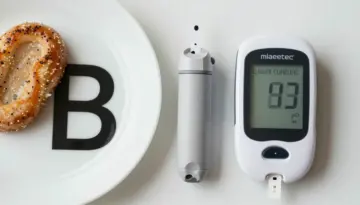
Staying active is one of the best things you can do for your health, but did you know that when you exercise can make a significant difference, especially for managing blood sugar? Many people are discovering that a few small adjustments to their workout schedule can lead to better results. Let's explore how you can use exercise timing to your advantage.

The Common Misconception: Any Time is Fine

A frequent mistake is believing that as long as you get a workout in, the time of day doesn't matter for your metabolic health. While any physical activity is certainly better than none, this view overlooks a key opportunity to enhance the benefits of your efforts.

ADVERTISEMENT

This idea suggests that a 7 AM workout and a 4 PM workout have the exact same effect on how your body processes sugar from meals eaten throughout the day. However, research indicates that our bodies respond differently to exercise at various times, largely due to our natural circadian rhythms. Exercising in the afternoon or evening appears to be particularly effective for improving blood sugar control. The advantage of timed exercise is that it can help your muscles absorb sugar from the bloodstream more efficiently, preventing sharp spikes after meals. The disadvantage of ignoring timing is simply missing out on this added benefit.

How to Get Started with Timed Exercise

Integrating this practice into your routine doesn't require a complete overhaul of your schedule. The goal is to be strategic and consistent. Here are a few simple ways to begin:


ADVERTISEMENT

Recommend

2026-03-23
The Global Prescription: Why Local Drug Discovery Is a Game Changer
Discover why locally-led drug discovery in Africa is crucial for global health. This article compares research models and explains the impact of genetic diversity.
ADVERTISEMENT
2026-03-26
A Step by Step Guide to Diabetic Foot Care
Living with diabetes? Learn why foot care is crucial. This guide offers practical, daily steps to prevent serious complications like neuropathy and ulcers.
2026-03-30
Rethinking Your Plate: Can a Repetitive Diet Aid Weight Loss?
Discover how eating a consistent, planned diet might be more effective for weight loss than constant variety. Learn to simplify your meals and reach your goals.
2026-03-30
Does Your Blood Type Affect Your Diabetes Risk?
Curious if your blood type affects your type 2 diabetes risk? Discover what the science says, why lifestyle matters more, and simple steps you can take today.
ADVERTISEMENT
2026-03-31
Unraveling the Colors of Stress: Your Brain's Surprising Spectrum
Discover how stress affects your brain, revealing a surprising spectrum of color activation rather than a single response. Learn about the implications for mental well-being.
2026-04-08
Build Muscle Today, Feel Better Tomorrow: The Long-Term Impact of Strength Training
Learn how building muscle mass today through strength training can significantly improve your well-being and physical function in the years to come, combating age-related muscle decline.
2026-04-09
Strengthen Your Health with Resistance Bands
Discover the power of resistance bands for improving strength, managing blood sugar, and enhancing overall health. A simple, effective tool for everyone.
ADVERTISEMENT
2026-04-14
A Simple Guide to Lowering Cholesterol with Oats
Discover how the simple, affordable oat can help lower your cholesterol. Learn common mistakes to avoid and easy ways to add this heart-healthy food to your diet.
2026-04-20
Is Your Afternoon Seltzer a Health Concern? Examining the Link to Cancer
Is canned sparkling water linked to colorectal cancer? We examine the science behind claims about PFAS ('forever chemicals') in beverage packaging and offer expert advice.
2026-04-21
Flawed Study Sparks Outrage: Healthy Diet Linked to Lung Cancer in Sensational Headlines
A flawed and preliminary study linking healthy foods like fruits and vegetables to lung cancer has been widely criticized by experts for its poor methodology and sensationalized headlines.
ADVERTISEMENT