Lab-Grown Brains Spark Ethical Debate: Can These 'Mini-Brains' Feel Pain?

Daily Health

Daily Health

·

13/04/2026

button icon
ADVERTISEMENT

Scientists have successfully grown brain organoids, complex structures containing millions of neurons, in laboratories. Initially developed to study neurological disorders like autism and Alzheimer's, these organoids are now raising profound ethical questions, particularly concerning their potential to experience pain and consciousness.

Key Takeaways

Understanding Brain Organoids

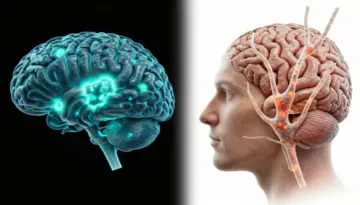
Brain organoids, first developed in 2013, are grown from stem cells and can represent specific brain regions. Researchers have advanced to creating "assembloids," interconnected organoids designed to model complex biological features, such as pain sensory pathways by linking brain and spinal cord organoids.

ADVERTISEMENT

Despite their complexity, scientists emphasize that these are not "mini-brains." They are significantly smaller than actual brains, containing a fraction of the neurons and lacking essential features like a vascular system and sensory input. Experts suggest that only if organoids become vastly larger and integrated into an "embodied context" should the question of consciousness be seriously reconsidered.

The Question of Consciousness and Pain

While the idea of consciousness in organoids is a topic of public fascination, the scientific consensus is that current models do not exhibit anything remotely resembling it. The definition and measurement of consciousness remain subjects of debate, but existing organoids do not meet any current criteria for awareness.

ADVERTISEMENT

The more pressing ethical concern highlighted by experts is the transplantation of human organoids into living animals. Research has shown these organoids can integrate into animal brains and influence behavior, creating chimeras. While the organoids themselves may not be conscious, the ethical implications for animal welfare are significant.

Navigating the Ethical Landscape

The public often views organoids as extensions of the individuals from whom the cells originated, leading to heightened ethical concerns when these are combined with animals, especially in the brain. This perception differs from the scientific and ethical communities, which often see less of a fundamental moral divide between humans and animals.

ADVERTISEMENT

Recognizing the rapid pace of innovation, scientific bodies and researchers are calling for continuous monitoring and structured oversight. A report by the U.S. National Academies of Sciences, Engineering, and Medicine concluded that current organoids are not conscious but stressed the need to revisit these questions as the technology evolves.

The Imperative for Research

Alongside ethical considerations, there is a strong argument for the continuation of this research. Modeling the human brain and its disorders holds the potential to alleviate immense human suffering. These organoids offer an unparalleled window into human brain biology, enabling direct study of disease processes and the testing of potential therapeutics in ways previously impossible.


Recommend

2026-03-23
Navigating the Midlife Maze: Mental Health for Gen X Women
Explore the hidden mental health crisis affecting Gen X women. Learn about the unique pressures, risks, and practical steps towards resilience and well-being.
ADVERTISEMENT
2026-03-25
The Everything Test vs. Everyday Habits: Your Best Bet Against Cancer
Explore the science behind advanced cancer screening blood tests versus proven lifestyle changes. Learn why daily habits are still your most powerful tool for cancer prevention.
2026-03-26
MIND Diet Linked to Slower Brain Aging, Potentially Adding Years to Cognitive Health
Discover how the MIND diet, a blend of Mediterranean and DASH principles, may slow brain aging by over two years, preserving cognitive function and reducing tissue loss.
2026-04-02
The Perils of Sleep Deprivation: Why 'Sleeping When I'm Dead' is a Dangerous Mantra
Discover the serious health risks associated with sleep deprivation and why the saying 'I'll sleep when I'm dead' is a dangerous approach to life. Learn about the cognitive, emotional, and physical consequences of not getting enough rest.
ADVERTISEMENT
2026-04-06
Your Plate and Your Gut: A Beginner's Guide to Eating for Colon Health
Learn how simple dietary changes can significantly improve your colon health. This beginner's guide covers common mistakes and provides easy meal ideas to get started.
2026-04-07
Sip Your Way to a Healthier Heart: Beverages That Can Lower Cholesterol
Learn about beverages that can help lower cholesterol and improve heart health, including soy milk, oat milk, green tea, and pomegranate juice.
2026-04-13
Unlock Your Energy: A Simple Guide to Exercising When You're Tired
Feeling too tired to exercise? Learn how to overcome fatigue with simple tips on nutrition and starting small. Boost your energy and build a consistent workout habit.
ADVERTISEMENT
2026-04-15
Norwegian Man Achieves HIV Cure Through Brother's Stem Cells
A Norwegian man has been cured of HIV through a stem cell transplant from his brother, who possessed a rare genetic mutation conferring natural resistance to the virus.
2026-04-16
The Great Alzheimer's Debate: Amyloid vs. The Alternatives
Dive into the Alzheimer's research debate. Understand the challenges of the amyloid theory and explore new, promising avenues like inflammation and infection.
2026-04-17
Why Life Can Feel 'Meh' on Weight-Loss Drugs and What to Do
Feeling emotionally flat or 'meh' while on weight-loss medications like Ozempic? Learn what anhedonia is, why it happens, and simple steps to reclaim joy.
ADVERTISEMENT