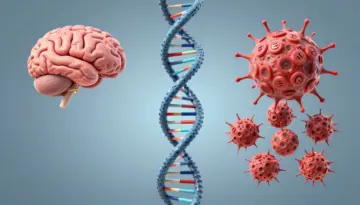
The dream of a single blood test that can detect any cancer early is a powerful one. Companies are developing advanced screenings that look for tiny fragments of cancer DNA in our bloodstream, promising a new era of early detection. But when we place these high-tech tests alongside the proven, long-standing advice about lifestyle, which approach truly offers the most reliable path to reducing your cancer risk? Let's compare the science.
The Promise of Advanced Blood Screening
These tests, known as multi-cancer early detection (MCED) tests, work by identifying circulating tumor DNA (ctDNA)—genetic material shed by cancer cells into the blood. The goal is to find a cancer “signal” long before symptoms appear.
- Benefits: The potential to screen for over 50 types of cancer at once is revolutionary. In theory, this could shift diagnoses to earlier, more treatable stages.
- Limitations: Despite the promise, the evidence for their use in the general population is not yet there. The world’s largest randomized controlled trial on this technology did not succeed in its primary goal of reducing the diagnosis of late-stage cancers. Furthermore, these tests carry risks of false positives, which can lead to intense anxiety and unnecessary, invasive follow-up procedures. There is also the issue of overdiagnosis—detecting slow-growing cancers that would never have posed a threat to a person's life.
- Ideal Use: Currently, ctDNA tests show significant promise in specific clinical situations, such as monitoring how a diagnosed patient is responding to treatment, rather than for screening the healthy population.
The Power of Proven Lifestyle Choices
This approach focuses on the daily decisions that influence your body's internal environment, making it less hospitable to the development and growth of cancer cells. It’s about proactive prevention through diet, exercise, and avoiding known carcinogens.
- Benefits: The evidence here is overwhelming and based on decades of extensive research. A balanced diet rich in fruits and vegetables, regular physical activity, maintaining a healthy weight, limiting alcohol, and not smoking are all strongly linked to a lower risk of developing numerous types of cancer. These habits also drastically improve overall health, reducing the risk of heart disease, diabetes, and other chronic conditions.
- Limitations: This method requires consistent, long-term effort and does not offer an absolute guarantee against cancer. It is a strategy of risk reduction, not total elimination.
- Ideal Use: This approach is recommended for everyone, every day. It is the foundational, evidence-based strategy for cancer prevention endorsed by global health organizations.
Your Most Actionable Path Forward
While the science of early detection is exciting and continues to evolve, it has not yet replaced the fundamental pillars of health. The allure of a quick technological fix is strong, but the data consistently points back to the profound impact of our daily routines. For now, the most powerful and scientifically-backed strategy for cancer risk reduction doesn't come in a test tube. It comes from the choices you make every day.
Focusing on these four key areas provides a practical and empowering way to take control of your health:
- Nourish Your Body: Prioritize whole foods and reduce your intake of highly processed items.
- Move Regularly: Aim for consistent physical activity that you enjoy.
- Avoid Tobacco: Don't smoke or use any tobacco products.
- Limit Alcohol: Moderate your alcohol consumption according to health guidelines.
Ultimately, while we watch and wait for technology to catch up to its promise, the power to build a healthier future is already in your hands.