Daily Health
·18/03/2026



A groundbreaking study reveals that adhering to a specific dietary pattern, known as the MIND diet, can significantly slow the aging process within the brain. This unique eating plan, a hybrid of the Mediterranean and DASH diets, has been linked to a delay in structural brain aging by more than two years, offering promising insights into cognitive health and neurodegenerative disease prevention.
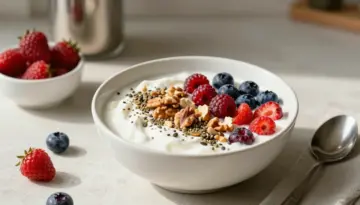
The Mediterranean-DASH Diet Intervention for Neurodegenerative Delay, or MIND, diet is a plant-based eating plan that emphasizes foods believed to support brain health. It integrates the most beneficial aspects of the Mediterranean diet and the DASH (Dietary Approaches to Stop Hypertension) diet. The MIND diet specifically highlights the consumption of berries, beans, leafy green vegetables, fish, poultry, whole grains, olive oil, and nuts, while strictly limiting foods high in saturated fats like cheese, butter, red meat, and fried items.
Research published in the Journal of Neurology, Neurosurgery & Psychiatry analyzed data from over 1,600 adults over an average of 12 years. Participants who followed the MIND diet more closely exhibited slower shrinkage of gray matter, the brain's center for memory, thinking, and decision-making. For every three-point increase in adherence to the MIND diet, there was a 20% reduction in gray matter loss, correlating to a 2.5-year delay in brain aging.
Furthermore, the study observed that closer adherence to the MIND diet was linked to a slower rate of ventricle enlargement. Ventricles are fluid-filled spaces in the brain that tend to expand as brain tissue shrinks with age. A 3-point increase in diet adherence corresponded to an 8% decline in ventricle development, effectively reducing brain age by one year. Enlarged ventricles are often associated with increased brain atrophy, Alzheimer's disease, and cognitive decline, particularly after age 60.
While the overall dietary pattern is considered most important, the study identified certain foods that contributed significantly to the anti-aging effects. Berries were noted for slowing ventricle enlargement, while poultry helped reduce both gray matter decline and ventricle enlargement. Conversely, higher intakes of sweets and fried fast foods were associated with accelerated brain aging, including faster ventricular expansion and decay in the hippocampus, a key area for memory.
Interestingly, the study also noted some unexpected findings. Cheese consumption appeared to offer some brain protection, and higher whole-grain intake was linked to faster gray matter decline. However, researchers cautioned against drawing definitive conclusions from these specific food associations, emphasizing that the overall dietary pattern and the synergistic effects of food combinations are likely more critical than individual components.