Daily Health
·09/03/2026



The physical effects of a hangover are well-known: a pounding headache, thirst, and fatigue. But sometimes, a night of drinking leaves behind something more—a wave of anxiety, racing thoughts, and a sense of dread. This combination of a hangover and anxiety is often called "hangxiety."
It’s a biological response, not a personal failing. Understanding what’s happening in your body and mind is the first step toward managing it.
When dealing with hangxiety, many people fall into two common mental traps that can make things worse.
One major pitfall is the "spotlight effect." This is the mistaken belief that you were the center of attention and that everyone noticed every little thing you said or did. It fuels a cycle of shame and regret. The second trap is the urge to isolate. Feeling embarrassed or anxious can make you want to hide from the world, but withdrawing from social contact often intensifies feelings of loneliness and anxiety.
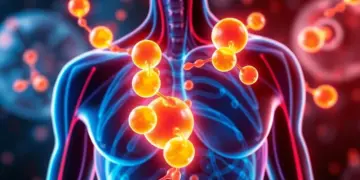
Why does this happen? Alcohol initially increases the activity of calming chemicals in your brain. To maintain balance, your brain adapts. When the alcohol wears off, these calming chemicals drop below their normal levels, while stimulating, or "excitatory," chemicals surge. This chemical imbalance is what can trigger feelings of tension, panic, and irritability the next day. It’s a physiological process that can affect anyone, even those who don't normally experience anxiety.
Instead of spiraling, you can take small, practical steps to regain your balance. Here are a few easy ways to get started:
Occasional hangxiety is common for those who drink. However, if you find that it frequently disrupts your daily life, makes it difficult to meet your responsibilities, or negatively affects your relationships, it may be a sign to re-evaluate your relationship with alcohol. If anxiety persists long after the hangover is gone, consider speaking with a mental health professional for support.