Daily Games
·20/01/2026



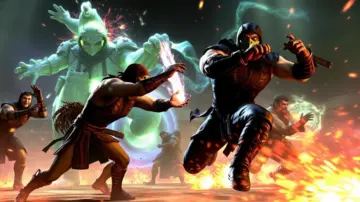
The beat 'em up genre, once considered a relic of retro gaming, is experiencing a significant resurgence. Recent years have seen iconic titles like Streets of Rage 4, Teenage Mutant Ninja Turtles: Shredder’s Revenge, and Scott Pilgrim EX revitalizing interest in the genre. This renewed focus has prompted developers and industry watchers to reconsider the genre’s relevance amid evolving player preferences and shifting market dynamics.
This revival is backed by both player enthusiasm and industry commitment. Tribute Games, the studio behind Scott Pilgrim EX and TMNT: Shredder’s Revenge, draws inspiration from classic titles while embracing new design sensibilities. As producer Rémi Lavoie at Tribute Games notes, the Scott Pilgrim EX project involves not just legacy characters but also a fresh roster influenced by established fighting game archetypes. While the gameplay leans into traditional beat 'em up mechanics, an open quest structure and flexible character progression systems indicate a response to changing player expectations for freedom and replayability.
Industry executives are candid about their approach. Lavoie articulates the decision to develop games that “lean toward the old-school type of beat 'em up,” while narrative designer Yannick Belzil highlights the design’s adaptability: “Everything from the bosses, story, and environments was designed around what we needed gameplay-wise at first.” This alignment between nostalgia and current gameplay trends is echoed by the participation of large publishers such as Ubisoft, who previously released Scott Pilgrim vs. The World: The Game, a title considered formative for many players in the early 2010s.
Pros:
Cons:
The beat 'em up resurgence is shaping up as more than a fleeting retro trend. Investment from studios with deep legacy connections suggests that the genre will continue to evolve, blending classic mechanics with innovations tailored to contemporary gaming habits. The integration of open-world elements, expanded character rosters, and diverse narrative structures signals a trend toward greater flexibility and player agency.
Looking ahead, major releases scheduled for 2026 and beyond demonstrate industry confidence. Developers are expected to continue experimenting with structure, progression, and crossover appeal, using the genre’s inherent simplicity as a foundation for broader gameplay diversity. The brawler renaissance is poised to remain a fixture of modern gaming, resonating with both nostalgic players and a new generation seeking depth and discovery in familiar frameworks.