Daily Car
·03/04/2026



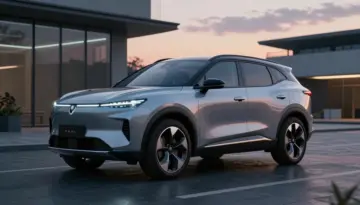
The Hyundai Ioniq 5 has registered significant sales growth in the first quarter of 2026, a performance that runs counter to the cooling trend observed in the broader U.S. electric vehicle market. The electric crossover's success provides a clear case study on the vehicle attributes currently resonating with American consumers.
According to sales data, the Ioniq 5 saw a 14% increase in U.S. sales during the first quarter compared to the same period in the previous year, totaling 9,970 units. The momentum was consistent through March, which recorded a 13% year-over-year sales jump. This performance establishes the Ioniq 5 as the leading electric model in Hyundai's U.S. lineup. The crossover's growth is particularly notable when contrasted with its sedan counterpart, the Ioniq 6, which saw a 75% sales decline over the same period, resulting in a consolidation of its available trim levels in the market.
The Ioniq 5's market appeal can be attributed to a strategic combination of design, practicality, and pricing. Assembled in Georgia, the vehicle enters the market with a competitive starting price. Its crossover body style directly addresses the strong consumer preference for utility vehicles, offering more cargo space and a roomier cabin than a comparable sedan.
A core technical feature is its foundation on the Electric-Global Modular Platform (E-GMP). This dedicated EV platform is engineered to maximize interior space by enabling a long wheelbase and a completely flat floor. This design eliminates the transmission tunnel found in internal combustion vehicles, creating an open and airy passenger environment that enhances comfort and perceived size. This platform also supports ultra-fast charging capabilities, a key technical advantage in the EV space.
The Ioniq 5's sales trajectory is significant when viewed against the backdrop of a general market adjustment for electric vehicles. While some manufacturers have faced challenges with inventory and slowing demand, the Ioniq 5's formula of distinctive retro-futuristic design, crossover practicality, and accessible technology appears to be a resilient combination. Its performance suggests that a well-packaged EV that meets consumer needs for space and usability can achieve strong market penetration. The model's success underscores a key industry trend: the crossover form factor remains dominant, even as the market transitions toward electrification.