Daily Car
·21/04/2026



The 2027 Mercedes-Benz C-Class EV is set to enter the market as an all-electric version of the popular sedan. This model will be the second vehicle, following the GLC-Class SUV, to utilize the new Mercedes-Benz Electric Architecture (MB.EA). This platform is designed exclusively for electric vehicles and will form the basis for a future range of electric models, including spinoffs of the E-Class and S-Class.
The vehicle's launch is timed to compete directly with its primary rival, the 2027 BMW i3 sedan. Both vehicles are being developed on new, dedicated electric platforms and feature advanced software-defined electronic systems managed by a small number of powerful central computers.
The MB.EA platform is a significant development for Mercedes-Benz. Unlike vehicles adapted from gasoline-powered counterparts, this architecture is built from the ground up for electric propulsion. This allows for optimized placement of the battery and motors, improving interior space and driving dynamics. The system's electronics are managed by a zonal architecture with four main supercomputers. This approach centralizes control, making the vehicle's systems more integrated and efficient compared to using numerous smaller controllers.
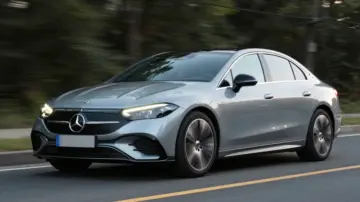
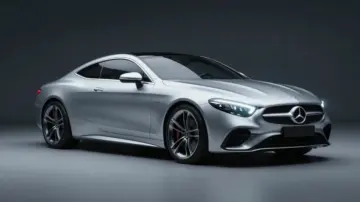
Mercedes-Benz is shifting its design direction with the C-Class EV. The company is moving away from the rounded, ovoid shapes of its initial EQ electric lineup toward a more traditional sedan form. The front features an upright grille composed of 1,050 individual LED lights, flanked by headlamps with three-pointed star daytime running lights. A long hood, which conceals a 3.6-cubic-foot front trunk, or "frunk," leads to a fastback-style roofline. Despite the sleek profile, the vehicle is a sedan with a conventional trunklid. The wheelbase is 3.8 inches longer than the current internal combustion C-Class, a change made to increase rear passenger legroom in a vehicle with a raised floor to accommodate the battery pack. The trunk offers 16.6 cubic feet of space, supplemented by an underfloor compartment and a 40/20/40 split-folding rear seat.
Key technological features include an expansive pillar-to-pillar interior screen and a projected driving range of over 300 miles on a full charge with the largest battery option. This positions the C-Class EV squarely against the forthcoming BMW i3, which targets similar range and technology specifications. The competition between these two German manufacturers highlights a major industry trend: the move toward dedicated, high-performance electric vehicle platforms in the premium sedan segment. The C-Class EV represents a strategic effort by Mercedes-Benz to blend its classic design heritage with a new generation of electric technology.