Daily Car
·16/04/2026



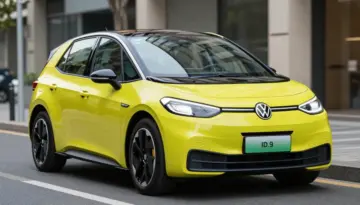
Volkswagen has released a significant update to its electric hatchback, now called the ID.3 Neo. This revised model directly addresses feedback on the original version. Here is a straightforward analysis of the changes.
The most significant change is the complete redesign of the cabin controls. Volkswagen has removed the widely criticized touch-sensitive sliders and replaced them with physical buttons and a rotating knob for essential functions. There are now 19 physical buttons, including dedicated controls for climate settings like temperature and fan speed, as well as a proper volume knob. The driver also gets four individual window switches, correcting the previous confusing setup. Additionally, the quality of the interior materials has been upgraded to reduce the use of hard plastics, giving the cabin a more premium feel.
The ID.3 Neo features a redesigned front end that gives it a more conventional and mature appearance, similar to the classic Volkswagen Golf. The previous model's stubby-nosed look is gone, replaced by a sleeker front with a full-width light bar connecting the headlights. While the rest of the car's profile remains largely the same, this new face makes the vehicle look more contemporary and aligns it better with Volkswagen's broader design language.
The ID.3 Neo offers improved battery options. The top-tier model now comes with a 79-kilowatt-hour (kWh) battery, providing a range of up to 391 miles (630 km) based on the WLTP testing standard. This version is paired with a 223-horsepower motor driving the rear wheels. Other options include a 58-kWh battery with a 188-horsepower motor and a base 50-kWh battery with a 168-horsepower motor. The largest battery can charge at speeds up to 183 kW. A new feature across all versions is vehicle-to-load (V2L) capability, which allows the car's battery to be used as a power source for external electronic devices.
The ID.3 Neo is positioned as a direct response to customer demand for a more user-friendly and practical electric vehicle. By bringing back physical controls and refining the design, Volkswagen is making the car more appealing to its traditional customer base. The company has also hinted at a future high-performance GTI version. It is important to note that this is an update to the existing ID.3. Volkswagen is still developing a completely new, purpose-built electric Golf, which is expected to launch around 2028 on a more advanced platform.