Daily Car
·08/04/2026



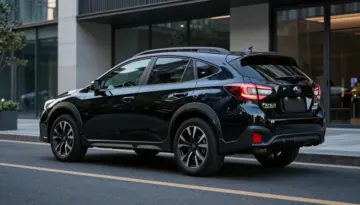
The highly anticipated 2026 Subaru Trailseeker, an all-electric wagon aiming to rival the Outback, has shown a discrepancy between its advertised range and real-world performance. Edmunds' recent testing revealed that the electric vehicle fell short of its EPA-estimated mileage, raising questions for potential buyers as it prepares for its spring U.S. launch.
The 2026 Subaru Trailseeker boasts an EPA-estimated range of up to 281 miles and 375 horsepower. However, Edmunds' independent range test, which simulates a 60/40 city-to-highway driving split at an average speed of 40 mph with the climate control set to 72 degrees Fahrenheit, yielded a different result. Trims equipped with 20-inch wheels, rated for 274 miles, only managed to cover 262 miles on a single charge. This 12-mile deficit, while not catastrophic, is notable in a market where consumers increasingly expect EVs to meet or exceed their official range figures.
In today's EV landscape, a 300-mile range is becoming a common benchmark, with some luxury models even surpassing 400 miles. Falling short of the EPA estimate, even by a modest amount, can be a concern for consumers navigating the transition to electric vehicles. The psychological barrier of range anxiety remains a significant factor, and EVs that closely match or exceed their advertised range help to alleviate these fears. While the Trailseeker's tested range of approximately 260 miles is still considered workable, especially with the improving density of public fast chargers, the initial shortfall is a point of consideration.
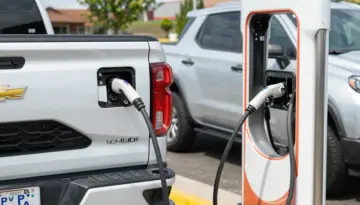
On the efficiency front, the Trailseeker performed as expected, consuming 30.1 kWh per 100 miles, which translates to about 3.3 miles per kWh. This figure aligns with its EPA estimate and is comparable to other electric crossovers like the Hyundai Ioniq 5 XRT. Subaru has also incorporated features designed to enhance the EV experience, including battery preconditioning for better cold-weather charging and a heat pump for more efficient cabin heating. Furthermore, the inclusion of a Tesla-style NACS charging port provides access to the extensive Tesla Supercharger network, offering a significant advantage in charging infrastructure accessibility across the country.