Daily Car
·23/03/2026



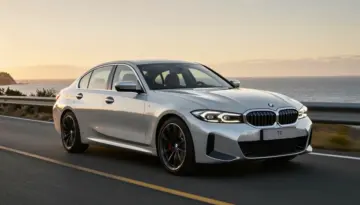
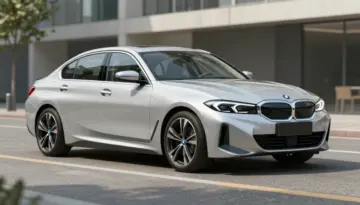
BMW is changing its strategy. Currently, the gasoline-powered 5-Series and the all-electric i5 are built on the same foundation, making them look and feel very similar. For the next generation, they will go their separate ways. The i5 will move to a dedicated all-electric platform called "Neue Klasse," while the traditional 5-Series will continue on an updated version of the current CLAR platform, which is designed for combustion engines.
Think of Neue Klasse as a new, specialized blueprint designed from the ground up exclusively for electric vehicles. Instead of using a flexible platform that must accommodate both large engines and battery packs, Neue Klasse is optimized for electric components. This allows engineers to place batteries, motors, and other systems in the most efficient way possible, without the compromises required by a shared platform.
By moving to a dedicated EV platform, the next i5 will have more design freedom. Designers can create a car with different proportions—likely a shorter front end, a longer wheelbase, and a more spacious interior—because they no longer need to save room for a bulky combustion engine and transmission. This focus on aerodynamics and interior volume will set it apart visually from the next 5-Series, which will likely retain more traditional sedan proportions as an evolution of the current design.
The current generation of the 5-Series and i5 was introduced in 2023. A mid-cycle update, or facelift, is expected around 2027. The completely new models on their separate platforms are not expected to arrive until the end of the decade, likely around 2029 or 2030. This is a long-term strategy that will be rolled out over several years.
This move is driven by efficiency and a commitment to both electric and combustion technologies. A dedicated EV platform allows BMW to maximize the performance, range, and interior space of its electric models. At the same time, continuing to develop the CLAR platform allows the company to refine its gasoline-powered cars for customers who are not yet ready to switch to electric. It is a strategy to build the best possible car for each powertrain type, rather than making one car fit all.