Daily Car
·06/03/2026



Volkswagen laid out a clear plan for its top selling Tiguan SUV. The company will apply two large updates to the petrol and diesel version - this model will stay on sale in Europe until at least 2035. At the same time, Volkswagen will keep adding new battery powered cars to its range.
Many models get one mid life refresh - the Tiguan will receive two. The first update, set for 2028, will bring the cabin technology up to the level of newer Volkswagen cars. More physical buttons plus improved software are expected. The look will change only in small ways - new bumpers, altered lights, extra paint choices and fresh wheel designs.
The second update, due in 2031, will introduce clearer styling changes so the Tiguan keeps pace with rivals in the compact SUV class and matches Volkswagen's latest design rules. The engines but also gearboxes will also be revised so the car meets stricter European exhaust limits - extra mild hybrid parts are likely.
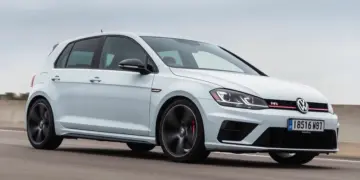
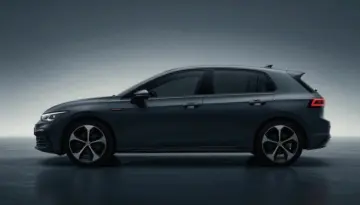
By approving a major update as late as 2031, Volkswagen ensures that buyers will still be able to choose a petrol or diesel Tiguan well into the next decade. This fits the firm's wider decision to keep combustion engines in its European line up until the middle of the 2030s. The same extended timetable is expected for the petrol and diesel Golf.
Production stays split - the European Tiguan rolls out of Wolfsburg in Germany, while the North American car is built in Puebla, Mexico. The choice of two facelifts instead of an all new generation shows that Volkswagen prefers to update the current cars rather than spend money on clean sheet replacements.
While the combustion Tiguan gains extra years, Volkswagen is also preparing a heavily revised battery SUV. The updated ID.4, expected around 2027, is likely to be called "ID. Tiguan" under a new naming scheme. The shape is set to move from the present curved look to a more classic SUV outline. The layout will be reworked and the motor, battery as well as electronics will be upgraded to raise output, driving range and energy use.
By keeping the Tiguan badge on both the combustion and the electric SUVs, Volkswagen aims to serve buyers who still want a petrol or diesel car or those who prefer a battery model. The goal is to keep the Tiguan name among the brand's key products for many years.