Daily Car
·23/01/2026



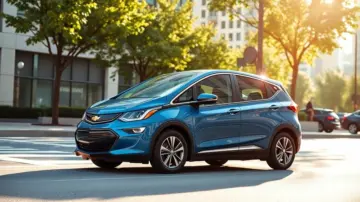
The 2027 Chevrolet Bolt returns to the market with updates targeting drivers who value affordable electric vehicles. General Motors (GM) announced this model would see a limited production run, lasting around 18 months at the Fairfax plant in Kansas. The production window reflects broader shifts in GM’s manufacturing strategy and regulatory environment.
The 2027 Bolt is a compact electric vehicle (EV) with a fully electric drivetrain. It offers an estimated range of 260 miles per full charge. The starting price is set at $28,995, again positioning the Bolt as one of the most affordable EV options in the U.S. market. Key technical upgrades include lithium-iron-phosphate (LFP) batteries, the adoption of the North American Charging Standard (NACS) plug, improved safety features, and a more modern software suite.
In terms of on-road performance, the Bolt is engineered for daily commutes and city driving. LFP batteries used in the new model are known for their long life span and enhanced safety characteristics. The updated software and safety systems improve the daily driving experience, making the vehicle more accessible to a wider audience. Design-wise, the Bolt retains its compact shape, making it suitable for urban environments and parking ease. The interior has also seen updates, aiming to match current technological standards.
Practicality has always been a hallmark of the Bolt. Its range allows for most weekly driving needs without frequent charging. The lower purchase price appeals to buyers seeking an accessible entry into the EV segment. However, limitations include the loss of eligibility for the federal $7,500 tax credit, as current regulations now exclude the new Bolt. Additionally, the Bolt will only be produced for about a year and a half before the Fairfax plant is converted for gas-powered vehicle assembly—a move reflecting changing priorities within GM.
Within the compact EV segment, the Bolt primarily competes with vehicles like the Nissan Leaf and Hyundai Kona Electric. While the Leaf offers a similar price range, the Bolt’s range and new battery technology stand out. The Hyundai Kona Electric typically exceeds the Bolt's price point but offers higher range and newer infotainment technologies. The use of LFP batteries and NACS charging compatibility in the Bolt aligns with industry trends focused on safety, cost-effectiveness, and charging infrastructure standardization.
GM’s decision to limit Bolt production aligns with a broader industry move toward profitable segments. As regulatory pressures and tariff-related considerations shift, automakers are recalibrating EV investment and manufacturing strategies. The return of the Bolt, despite its brief run, fills a temporary gap in the affordable EV market but indicates a continued focus by GM on higher-margin vehicles and U.S.-based manufacturing.
Lithium-iron-phosphate (LFP) batteries: This type of battery uses iron and phosphate as key materials, offering better safety and longevity compared to traditional lithium-ion options.
North American Charging Standard (NACS): This is a new charging connector developed by Tesla, which is being adopted across the industry to standardize electric vehicle charging plugs and make charging more accessible.