Daily Technology
·28/04/2026



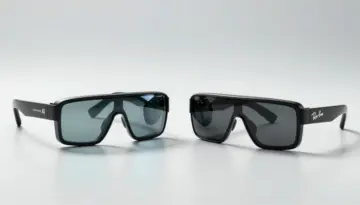
Recent leaks suggest that Samsung is preparing to enter the smart glasses market with a design strikingly similar to Meta's Ray-Ban AI glasses. While details are still emerging, the alleged Samsung Galaxy Glasses, codenamed 'Jinju,' seem to borrow heavily from Meta's approach, featuring dual cameras and integrated speakers.
The first iteration of Samsung's smart glasses, codenamed 'Jinju,' appears to follow the blueprint laid out by Meta's Ray-Ban AI glasses. Leaked images and information indicate the presence of two 12-megapixel cameras positioned near the corner of each lens, designed for capturing photos and videos. The glasses are also expected to include built-in speakers and a microphone, potentially for interacting with AI assistants like Google's Gemini. References found in One UI 9 source code lend further credibility to these leaks.
However, current leaks do not mention touchpad controls on the arms of the glasses or specific AI integrations beyond general chat capabilities. Despite this, the product renders suggest that these smart glasses could be released relatively soon.
Samsung is reportedly planning a second pair of smart glasses, codenamed 'Haean,' for release in 2027. This model is rumored to feature a micro LED display, a technology that could offer a more advanced visual experience compared to the single display found in Meta's current offerings.
The smart glasses landscape is becoming increasingly crowded. Google is actively developing its own smart glasses, Project Aura, in collaboration with Xreal, and is expected to launch additional Android XR glasses this year. Both Samsung and Google are forging partnerships with established eyewear brands – Samsung with Gentle Monster, and Google with Warby Parker and potentially Gucci – to enhance the appeal and market penetration of their devices.
As smart glasses become more sophisticated, privacy concerns continue to be a significant issue. Meta has faced criticism for its pursuit of facial recognition technology in its camera glasses. While the exact privacy implications of Samsung's and Google's upcoming devices are yet to be fully understood, the potential for misuse, such as unauthorized photography, remains a concern for consumers and privacy advocates alike.