Daily Technology
·14/04/2026



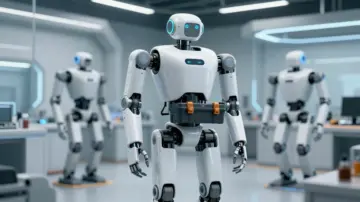
The concept of humanoid robots is rapidly moving from science fiction to industrial reality. Major automotive and logistics companies are now actively integrating advanced humanoid robots into their factory floors, signaling a significant shift in automation. This new generation of robots, exemplified by models like Apptronik's Apollo and Figure AI's Figure 02, is designed not just to perform repetitive tasks but to work collaboratively and adaptively in environments built for humans.
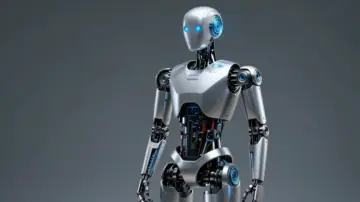
Technologically, these robots represent a convergence of multiple advanced fields. Apptronik's Apollo, for instance, stands 1.7 meters tall, weighs 72.6 kg, and can handle a payload of up to 25 kg (55 pounds). Its design, which has roots in NASA's Valkyrie humanoid project, features a complex actuator system that enables human-like dexterity and movement. The perception stack is equally sophisticated, relying on a fusion of stereo-depth cameras and LiDAR to create a 360-degree map of its surroundings. Onboard processing, often powered by platforms like Nvidia's Jetson edge AI modules, handles the immense data flow required for real-time operation.
What truly distinguishes this new class of humanoids is the integration of powerful artificial intelligence. Companies are coupling physical hardware with large-scale multimodal AI models, such as those from Google DeepMind. This allows a robot to process visual data and spoken instructions, then reason and plan its next actions. Unlike traditional industrial robots that follow rigid, pre-programmed scripts, these AI-driven systems can adapt to changing workflows and handle unexpected variations. This capability is crucial for tasks like parts handling, machine tending, and quality inspection in dynamic manufacturing settings, reducing the costly downtime associated with reprogramming.
The adoption of humanoid robots is gaining momentum across the industry. BMW is trialing Figure AI's robot in its U.S. plant, Mercedes-Benz is testing Apollo, and Hyundai Motor Group plans to deploy Boston Dynamics' Atlas robot in its EV production facilities. This trend is supported by significant venture capital investment and optimistic market forecasts, with some analysts projecting the humanoid robot market could reach $200 billion by 2035. However, significant challenges remain. Battery life is a primary constraint, with most current models operating for two to four hours before needing a recharge or battery swap. Furthermore, achieving the level of reliability necessary for 24/7 industrial operations is a major engineering focus. As these hurdles are overcome, the industry moves closer to the long-term goal of general-purpose robots that can perform a wide variety of tasks autonomously.