Daily Technology
·13/04/2026



While a single product can't define an entire market, a massively popular one can offer a clear window into the industry's direction. The high user ratings and sales of devices like the latest 11-inch iPad highlight several key technological shifts. By examining its core features, we can identify the trends that are not just shaping the tablet of today, but also setting the standard for the consumer electronics of tomorrow.
These developments indicate a move towards more powerful, versatile, and user-centric devices.
The push for powerful, on-device artificial intelligence is accelerating. Modern tablets are increasingly equipped with dedicated neural processing units (NPUs), like the 16-core Neural Engine in Apple's A16 chip. This hardware allows for complex AI and machine learning tasks to be handled directly on the device, rather than in the cloud.
This trend is crucial for enabling smarter, faster, and more private user experiences. Features like real-time video processing for subject tracking (e.g., Apple's Center Stage) and advanced computational photography (e.g., Smart HDR 4) rely on this local processing power. It enhances functionality without compromising user data or requiring a constant internet connection.
Tablets are rapidly evolving from passive content consumption devices into powerful creation tools. A significant driver of this shift is the integration of high-quality camera systems that rival those in premium smartphones. For example, the inclusion of a 12MP rear camera capable of 4K video recording and a 12MP ultra-wide front camera is becoming more common.
This is important because it caters directly to the growing creator economy and the demands of hybrid work. Users can now shoot, edit, and publish high-resolution video and photos from a single, portable device. This versatility makes modern tablets a viable primary device for content creators, students, and professionals alike.
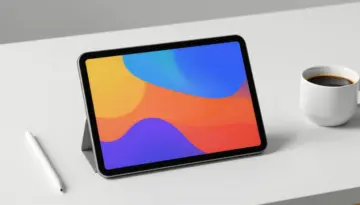
Gone are the days when high-resolution, color-accurate screens were reserved for expensive, professional-grade monitors. Today, vibrant displays like the Liquid Retina screen, with resolutions exceeding 2360 x 1640 pixels, are becoming standard in mainstream tablets.
This trend directly impacts user experience, making everything from streaming media and gaming to digital art and photo editing more immersive and detailed. As our consumption of high-definition content grows, the quality of the display becomes a primary factor in purchasing decisions, and manufacturers are responding by making premium screen technology more accessible.
The one-size-fits-all approach to consumer electronics is fading. Manufacturers are now offering more flexible product tiers to capture a wider audience. This is evident in the availability of multiple storage options, with base models starting at a more generous 128GB and scaling up to 512GB or more.
Furthermore, offering both Wi-Fi-only and Wi-Fi + Cellular models allows consumers to choose a device that fits their specific use case and budget. This strategy is vital for market penetration, as it addresses the needs of everyone from a home user on a budget to a mobile professional who requires constant connectivity.