Organ Transplants Without Lifelong Drugs: A Glimpse into the Future

Daily Health

Daily Health

·

20/04/2026

button icon
ADVERTISEMENT

For decades, receiving a new organ has been a life-saving miracle, but one that comes with a lifelong commitment: a daily regimen of powerful anti-rejection drugs. These medications, while necessary, can weaken the immune system and cause long-term health complications. However, a groundbreaking clinical trial offers a hopeful preview of a future where organ recipients might live free from this burden.

The Challenge with Traditional Transplants

Normally, your immune system is a vigilant guard, attacking anything it doesn't recognize, including a donated organ. To prevent this organ rejection, patients must take immunosuppressant drugs for the rest of their lives. While effective, this solution is a double-edged sword. It leaves patients more vulnerable to infections and can contribute to other health issues over time. Even with medication, the immune system often causes gradual damage to the transplanted organ, which can eventually lead to its failure.

ADVERTISEMENT

A New Strategy: Immune System Training

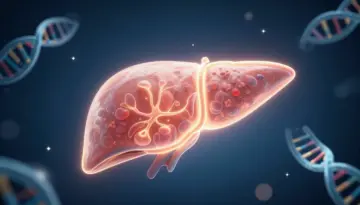
Researchers at the University of Pittsburgh have tested a novel approach that aims to train a recipient's immune system to accept a new organ. Published in Nature Communications, their study focuses on a special type of cell called a regulatory dendritic cell. Think of these cells as diplomats for the immune system; they can tell other immune cells to stand down and tolerate something new.

In the trial, a small group of living-donor liver transplant recipients received an infusion of their donor's regulatory dendritic cells one week before the surgery. The theory was that this would prime their immune system, teaching it to recognize the new liver as a friend rather than a foe.

ADVERTISEMENT

Promising Results and the Road Ahead

The initial results are encouraging. After the transplant, doctors carefully monitored the patients. Of the eight recipients who showed strong signs of tolerance and were weaned off their medication, three were able to stop taking immunosuppressant drugs completely and remained healthy for an average of three years. This boosted the potential success rate of living without medication from the typical 13-16% to 37.5% in this small group.

It is important to note that this research is still in its early stages. The study was small, and larger, more direct comparison trials are needed to confirm the therapy's effectiveness. Still, the findings represent a significant step forward. As one of the lead researchers stated, while it isn't a "home run yet," the work is a "huge breakthrough." This research shines a bright light on a future where organ donation could become a safer and less cumbersome experience for everyone involved.

Recommend

2026-03-26
Protecting Your Newborn: The COVID Vaccine During Pregnancy
Is the COVID vaccine during pregnancy safe? This guide examines the scientific evidence on protecting your newborn from COVID-19 in their first months.
ADVERTISEMENT
2026-03-30
Navigating Travel With Diabetes: Essential Tips for a Smooth Journey
Traveling with diabetes requires careful planning. Learn essential tips for managing meals, medications, activity, and blood sugar levels to ensure a safe and enjoyable trip.
2026-03-31
Beyond the Obvious: Foods You Won't Believe Are Ultra-Processed
Discover which everyday foods, including flavored yogurt, are surprisingly classified as ultra-processed and learn how to make healthier dietary choices.
2026-04-01
Unlock Muscle Growth: The Science-Backed Sweet Spot for Strength Training
Discover the science-backed best time to strength train for optimal muscle growth, considering hormonal factors and individual schedules.
ADVERTISEMENT
2026-04-02
The Perils of Sleep Deprivation: Why 'Sleeping When I'm Dead' is a Dangerous Mantra
Discover the serious health risks associated with sleep deprivation and why the saying 'I'll sleep when I'm dead' is a dangerous approach to life. Learn about the cognitive, emotional, and physical consequences of not getting enough rest.
2026-04-06
Boost Your Heart Health: The Power of Adding Beneficial Foods to Your Diet
Discover how adding beneficial foods to your diet, beyond just avoiding unhealthy ones, can significantly boost your heart health. Learn about key food groups and dietary patterns for a healthier cardiovascular system.
2026-04-09
Strengthen Your Health with Resistance Bands
Discover the power of resistance bands for improving strength, managing blood sugar, and enhancing overall health. A simple, effective tool for everyone.
ADVERTISEMENT
2026-04-15
Staying Healthy in a Connected World: Understanding Animal-to-Human Disease Risks
Learn about the health risks associated with the global wildlife trade and discover practical steps to protect yourself and your community from animal-to-human diseases.
2026-04-17
Why Life Can Feel 'Meh' on Weight-Loss Drugs and What to Do
Feeling emotionally flat or 'meh' while on weight-loss medications like Ozempic? Learn what anhedonia is, why it happens, and simple steps to reclaim joy.
2026-04-20
Organ Transplants Without Lifelong Drugs: A Glimpse into the Future
A new clinical trial shows promise for organ transplants without lifelong anti-rejection drugs. Discover how this breakthrough could change patients' lives.
ADVERTISEMENT