Daily Games
·16/04/2026



It’s been a month. A hundred hours logged, a dozen patches downloaded. For the developers at Pearl Abyss, it was a frantic race against time, a whirlwind of hotfixes and updates aimed at sanding down the rough edges of their ambitious new world, Crimson Desert. For one player, it was a month of renewed hope. With every patch note that fixed an old frustration—the limited inventory, the tedious sprint-tapping, the unwitnessed crimes that still brought punishment—a belief grew: maybe this time, the game would finally click. Maybe this time, the soul of Pywel would reveal itself.
With a newly polished game at their fingertips, the player dove back in, venturing deep into the lands of Hernand to test the developer’s handiwork. The journey was smoother, the controls more responsive. The aggravating need to mash the sprint button was gone, and a favorite tweak even made it so felonies only counted if an NPC saw them—a touch of immersive logic. Pearl Abyss was listening. They were fixing things at a breakneck pace, from tweaking archery contests to removing unsettling AI-generated art from castle walls. The hope was palpable.
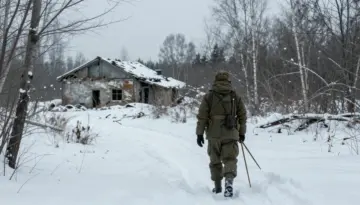
But then came the quests. The true test. Unfortunately, the most memorable mission was a buggy escort quest, a half-mile of coaxing a suicidal charge who refused to move. The rest were a blur of chores: go there, talk to someone, grab an item, come back. The patches could fix a button, but they couldn’t write a compelling story or forge a meaningful connection with a character. The beautiful, massive world of Pywel felt just as vacant as before. Spotting a new city in the distance was exciting, but arriving revealed the same shops, the same lack of life, the same emptiness.
There were glimmers of what could have been. In the heat of a boss battle, the combat finally sang. With enemy health reduced and player stamina boosted, fights became less about grinding for healing items and more about the thrill of the fight itself. The player recalls a moment of pure, emergent joy: discovering they could use a spell to rip a tree from the ground and obliterate a major enemy with it. It was a flash of the creative chaos they had hoped to find sprinkled throughout the world, not just confined to the occasional boss arena.
In the end, the hope that time and updates would mend the game’s core was shattered. The player’s appreciation for the developers’ tireless work was real, but it only made one thing painfully clear: a game full of minor flaws but brimming with soul is a world away from one that is polished, pristine, and fundamentally hollow. The machine was fixed, but its ghost was still missing.