Daily Car
·30/04/2026



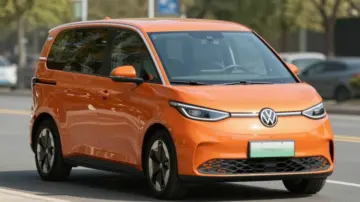
Volkswagen has reinvented one of its most iconic models. The seventh-generation Polo is now the all-electric ID. Polo. Here are the key facts about this significant new entry into the small electric car market.
The ID. Polo marks a major shift, moving the 50-year-old nameplate to a fully electric powertrain. It is built on Volkswagen's new front-wheel-drive MEB+ platform, which is designed specifically for electric vehicles. This change allows for more interior space and modern features. The starting price in Germany is set at €24,995, positioning it as an affordable option in the EV market.
The ID. Polo launches with three power options. The base models offer 114 or 133 horsepower, paired with a 37 kWh battery for a range of up to 204 miles (329 km). A more powerful 208-horsepower version uses a 52 kWh battery, extending the range to a provisional 283 miles (455 km). DC fast charging can replenish the battery from 10% to 80% in under 30 minutes, depending on the model. A sporty GTI variant with 223 horsepower is planned for 2027.
The electric platform improves practicality. By placing the motor at the front, luggage capacity increases by 25 percent over the previous combustion model, now offering 441 liters of space. With the rear seats folded down, this expands to 1,243 liters. The interior also benefits from a slight increase in usable space, particularly for rear-seat passengers, making it a functional choice for daily use.
The cabin blends modern screens with user-friendly physical controls. It features a 10-inch digital instrument cluster and a 13-inch central infotainment touchscreen. Importantly, Volkswagen has included physical buttons for climate control and a rotary dial for audio volume. A unique feature is a "retro display" mode for the digital cockpit, which mimics the look of classic VW dashboards from models like the Mk1 Golf.
The ID. Polo brings features typically found in more expensive vehicles to the small car segment. Most notably, it offers optional pneumatic massage functions for the front seats, a genuine rarity in this class. It also comes standard with Vehicle-to-Load (V2L) capability, allowing it to power external devices like e-bikes. While slightly smaller than its key rival, the Renault 5 E-Tech, its combination of price, practicality, and premium features makes it a strong contender.